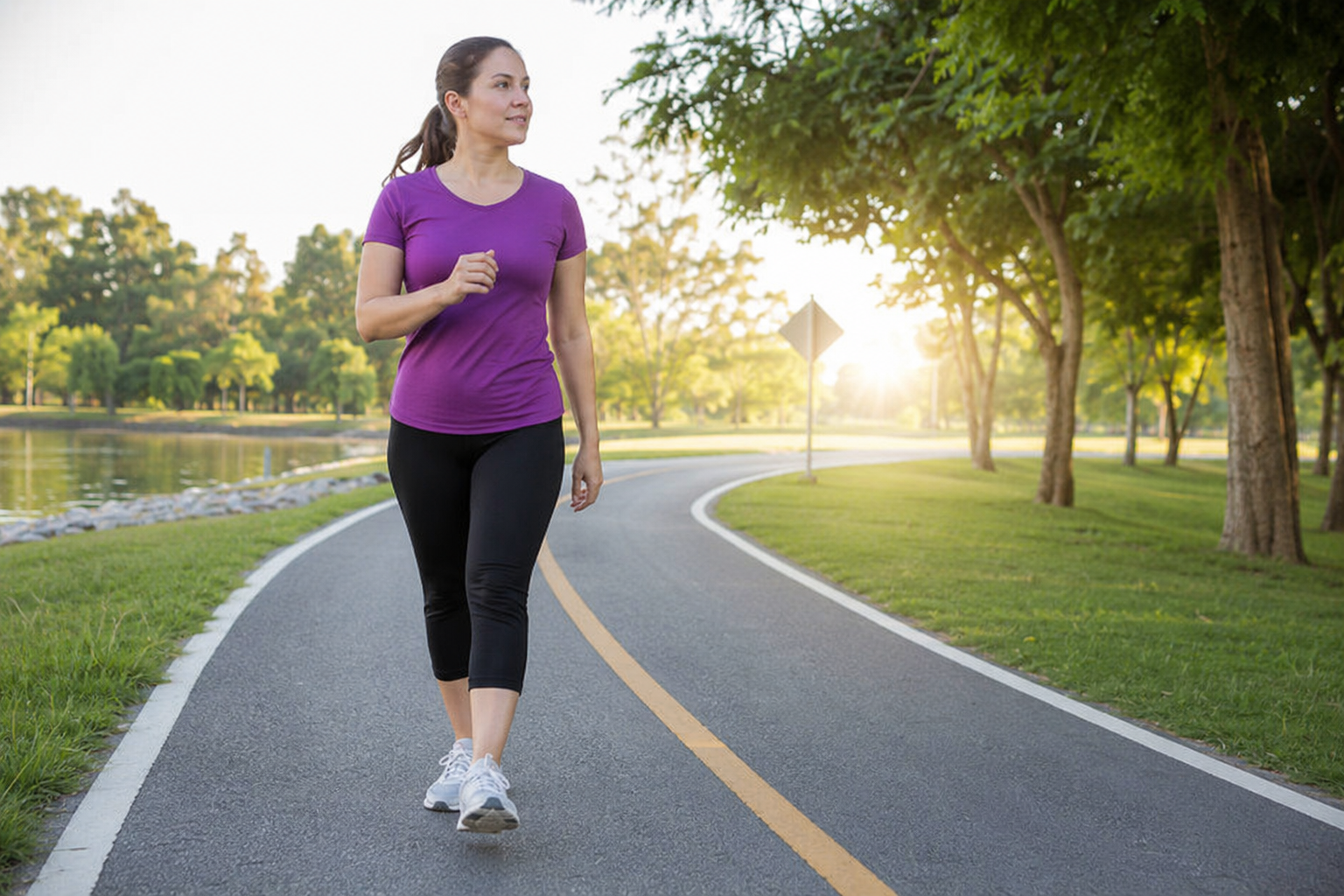
Walking is one of the easiest ways to become more active and support weight loss. You do not need expensive gym equipment or a difficult workout plan to get started. A comfortable pair of shoes, some free time, and a regular walking routine can help you move more every day.
For people who are new to exercise, walking can be a simple and practical starting point. It can also become more challenging as your fitness improves. The key is to walk regularly, increase your activity gradually, and combine walking with healthy eating habits.
Why Walking Is Good for Weight Loss
Walking helps your body use energy. When you walk regularly and create a healthy calorie deficit, your body can use stored energy, which can support weight loss over time. The number of calories you burn depends on several factors, including your walking speed, body weight, walking distance, and the type of surface.
Walking is also easier to include in daily life than many intense exercises. You can walk in a park, around your neighborhood, at home, or on a treadmill. You can even divide your walking into smaller sessions throughout the day.
Another benefit is that walking can help you build an active lifestyle. Instead of exercising only for a short period, you can find more opportunities to move during your normal routine.
Start With a Realistic Walking Routine
One of the most important walking exercise tips for weight loss is to start at a level you can maintain. If you have not exercised for a long time, do not immediately try to walk for several hours.
Begin with a comfortable session of about 20 to 30 minutes. You can walk at an easy pace and focus on making the habit regular. As your body becomes more comfortable with exercise, slowly increase your walking time.
For example, you might walk for 25 minutes during the first week and then increase your sessions by five or ten minutes. Your goal should be progress rather than perfection.
Increase Your Walking Speed
Walking slowly is still useful, but increasing your pace can make your workout more challenging. Brisk walking can raise your heart rate and help you burn more energy than a very relaxed walk.
A good walking pace should feel active without making you completely exhausted. You should be able to speak, although you may notice that talking requires a little more effort.
Try starting with five minutes of easy walking. Then increase your pace for 15 to 20 minutes before finishing with another five minutes at a comfortable speed.
Pay Attention to Walking Distance
Distance can be another useful way to track your walking exercise. Some people enjoy counting steps, while others prefer tracking kilometers or miles.
You do not have to reach a specific number every day to lose weight. Your results depend on your overall activity, food choices, sleep, and consistency. However, tracking your distance can help you understand how active you are.
If you currently walk a short distance each day, gradually adding more distance can be a simple way to increase your activity level.
Add Hills to Your Walk
Walking uphill can make a normal walk more challenging. Hills require your muscles to work harder and can increase the intensity of your workout.
If you have access to a safe hill, try including a few uphill sections in your walking route. Start with a small amount and increase it gradually.
You can also use stairs as part of your activity if they are safe and comfortable for you. Remember that you do not need to make every walking session difficult. Easy walks are valuable too.
Try Walking Intervals
Walking intervals are another effective way to make your exercise routine more interesting. Instead of walking at the same speed for the entire session, change your pace during different parts of the walk.
For example, walk comfortably for three minutes and then walk faster for one minute. Repeat this pattern several times.
As your fitness improves, you can increase the length of your faster periods. This approach can make walking feel more like a structured workout while still keeping it simple.
Walk More During the Day
Weight loss is not only about your planned exercise session. Your total daily movement also matters.
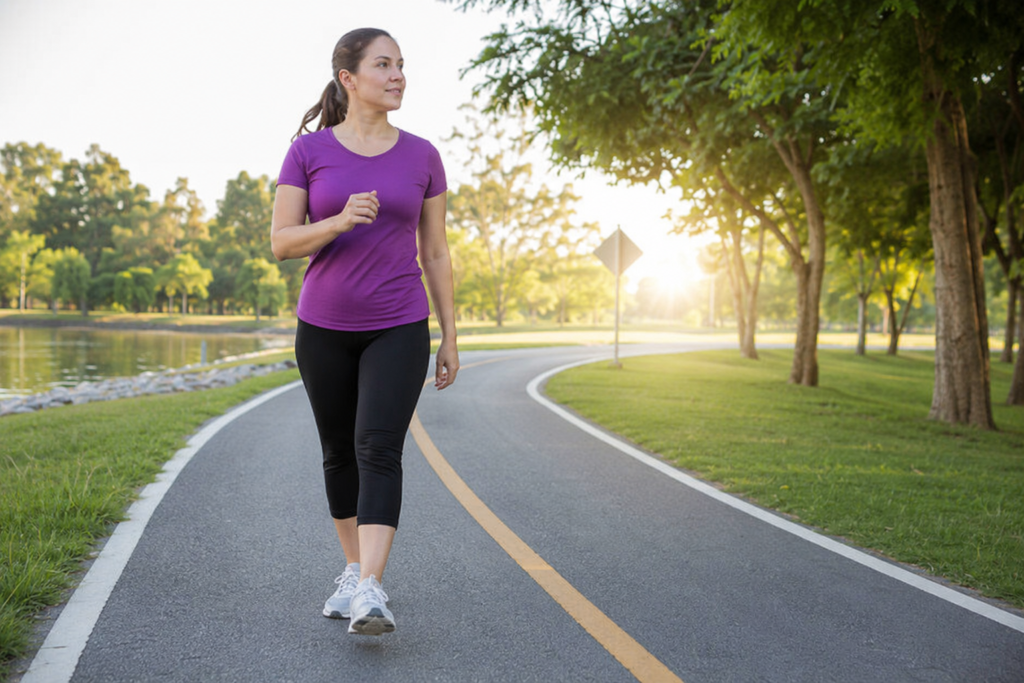
Look for simple ways to add more walking to your normal routine. You can take a short walk after meals, walk while talking on the phone, use stairs instead of an elevator, or park farther away from a destination.
These small changes can add up over time. Even a few extra minutes of movement throughout the day can help you become more active.
Choose the Right Shoes
Comfortable shoes are important when you are walking regularly. Shoes should fit properly and provide enough comfort for your feet.
Avoid wearing footwear that causes pain or discomfort. If your feet hurt during or after walking, consider checking your shoes and reducing your activity until you feel comfortable again.
Comfort can make it easier to stay consistent with your walking exercise routine.
Keep Your Posture Comfortable
Good walking posture can help you move more comfortably. Keep your head in a natural position, relax your shoulders, and allow your arms to move naturally.
Try not to look down at your phone while walking. Keep your steps comfortable and avoid forcing a stride that feels unnatural.
Your walking form does not need to be perfect. The main goal is to move in a way that feels controlled and comfortable.
Combine Walking With Healthy Eating
Walking can support weight loss, but food choices also play an important role. If you regularly consume more calories than your body uses, walking alone may not produce the results you want.
Focus on balanced meals that include vegetables, fruits, whole grains, protein sources, and healthy fats. Drink enough water and limit foods that are very high in added sugar and calories.
You do not need to follow an extreme diet. A balanced eating pattern that you can maintain for a long time is usually more practical than a very restrictive plan.
Walk After Meals
A short walk after eating can be an easy way to add activity to your day. Instead of sitting immediately after a meal, consider taking a gentle walk if you feel comfortable.
You can start with 10 to 15 minutes and gradually make it longer. This can also help you create a regular movement habit without needing a separate long workout session.
Stay Consistent
Consistency is one of the most important factors when using walking for weight loss. Walking once in a while is less useful than creating a routine that you can follow regularly.
Choose a time that fits your schedule. Some people prefer walking in the morning, while others enjoy an evening walk. The best time is the one that you can maintain.
If you miss a day, do not give up. Simply return to your routine the next day.
Make Walking More Enjoyable
Walking should not feel like a punishment. Find ways to make your walks enjoyable. You can listen to music, enjoy a podcast, walk with a friend, or explore different safe routes.
Changing your route from time to time can also prevent boredom. If the weather is not suitable, consider walking indoors at home or using a treadmill if available.
When you enjoy an activity, you are more likely to continue doing it.
Track Your Progress
Keeping track of your walking can help you stay motivated. You can record your walking time, distance, steps, or the number of days you exercised.
Weight is only one measure of progress. You may also notice that walking becomes easier, your energy improves, or you can walk for longer without feeling tired.
Focus on these improvements instead of expecting rapid changes on the scale.
Give Your Body Time to Adapt
More exercise is not always better. If you suddenly increase your walking distance or speed too much, your body may become overly tired.
Increase your activity gradually and give yourself time to recover. If you experience unusual or persistent pain, stop and seek appropriate professional advice.
People with existing health concerns should consider speaking with a qualified health professional before starting a new exercise program.
Final Thoughts
Walking exercise for weight loss is simple, affordable, and suitable for many beginners. You can start with short walks and slowly increase your time, distance, and speed as your fitness improves.
The most important walking exercise tips for weight loss are to stay consistent, walk at a comfortable but active pace, increase your activity gradually, choose comfortable shoes, and support your routine with balanced eating habits.
You do not need to make every walk intense. What matters most is creating a lifestyle where regular movement becomes a normal part of your day. With patience and consistency, walking can become an effective part of your long term weight loss routine.