Staying consistent with exercise can be challenging, especially when life becomes busy. Many people start exercising with strong motivation but stop after a few weeks because they set unrealistic goals or follow routines that do not fit their lifestyle. The key to long term fitness is not doing intense workouts every day. It is building an exercise routine that you can continue comfortably over time.
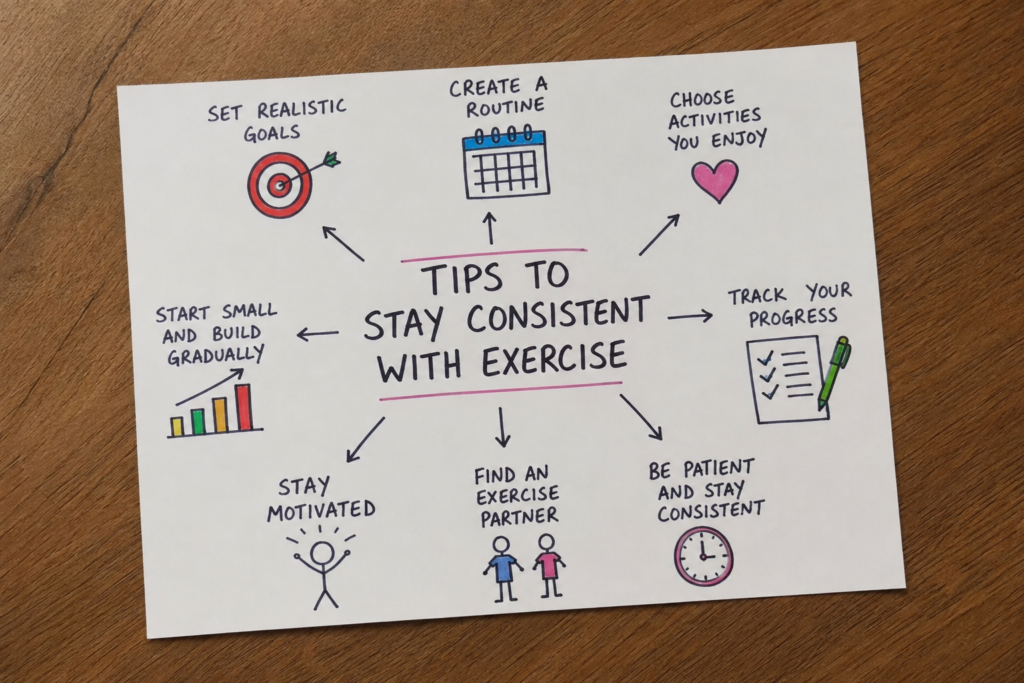
If you want to improve your fitness, lose weight, build strength, increase energy, or simply live a healthier lifestyle, consistency is one of the most important factors. Small efforts repeated regularly can create better results than occasional intense workouts. In this article, you will learn practical tips to stay consistent with exercise and make physical activity a natural part of your daily life.
Set Realistic Exercise Goals
One of the best ways to stay consistent with exercise is to set realistic goals. Many beginners make the mistake of expecting quick results. They may decide to exercise for one hour every day even though they have not exercised regularly before. This can quickly lead to tiredness, frustration, and loss of motivation.
Start with simple goals that match your current fitness level. You might begin with twenty minutes of exercise three or four days a week. Once this routine becomes comfortable, you can gradually increase the duration or frequency.
Your goals should also be specific. Instead of saying that you want to get fit, decide what you want to achieve. For example, you may want to walk for thirty minutes, complete a certain number of squats, improve your stamina, or exercise four days each week. Clear goals make it easier to measure progress.
Create a Simple Exercise Routine
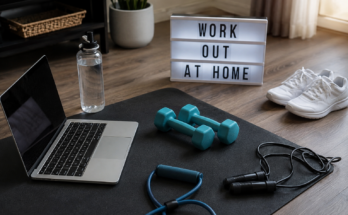
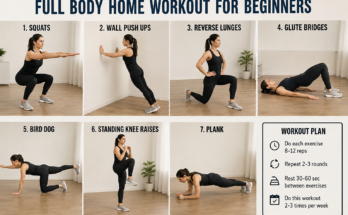
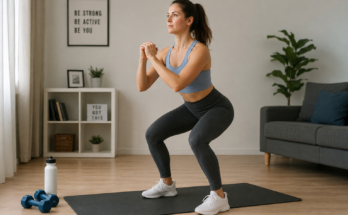
A simple exercise routine is easier to follow than a complicated one. You do not need expensive equipment or a professional gym to stay active. Walking, jogging, bodyweight exercises, stretching, cycling, and home workouts can all support your fitness goals.
Choose activities that you can realistically include in your schedule. If you have limited free time, a short home workout may be more practical than traveling to a gym. The best exercise routine is one that fits your lifestyle.
Try to plan your workouts in advance. Decide which days you will exercise and what type of activity you will do. Having a basic plan reduces the chance of skipping exercise because you do not know what to do.
Choose Exercises You Enjoy
Enjoyment plays an important role in exercise consistency. If you hate your workout, it can become difficult to continue. On the other hand, activities that you enjoy are easier to repeat.
Think about the types of physical activity that make you feel good. Some people enjoy walking outdoors, while others prefer dancing, cycling, swimming, strength training, or sports. You can also change your workouts regularly to prevent boredom.
You do not have to follow the same exercise routine every day. Variety can keep exercise interesting and allow you to work different parts of your body.
Start Small and Build Gradually
Starting small is one of the most effective exercise consistency tips for beginners. You do not need to transform your entire lifestyle overnight.
If you are new to exercise, begin with manageable activities. A ten or fifteen minute walk can be a good starting point. As your body becomes more comfortable with regular movement, you can slowly increase your workout time.
Gradual progress can also reduce the risk of doing too much too soon. When people suddenly increase exercise intensity, they may experience excessive soreness or fatigue. This can make them want to stop exercising altogether.
Make Exercise Part of Your Schedule
Treat exercise like an important appointment. Choose a specific time of day and make it part of your regular routine. Some people prefer exercising in the morning, while others have more energy in the evening.
If you have a busy schedule, look for small opportunities to stay active. You can take a short walk during a break, use stairs instead of an elevator, or complete a quick workout at home.
When exercise becomes a normal part of your day, you may not need to depend on motivation every time.
Track Your Progress
Tracking your exercise progress can help you stay motivated. You can write down your workouts in a notebook or use a fitness app to record your activity.
Keep track of simple things such as workout duration, walking distance, number of exercises completed, or how many days you exercised during the week.
Progress is not always visible in the mirror. You may notice that you have more energy, better stamina, improved strength, or greater confidence. Recording these changes can remind you that your efforts are producing results.
Do Not Depend Only on Motivation
Motivation can change from day to day. Some mornings you may feel excited to exercise, while other days you may want to stay in bed. This is normal.
Instead of depending entirely on motivation, focus on building a habit. Make exercise part of your normal routine even when you are not feeling highly motivated.
A useful approach is to tell yourself that you only need to start. Once you begin warming up or walking, you may feel more willing to continue.
Prepare for Busy Days
Busy days are one of the biggest reasons people stop exercising. Work, family responsibilities, travel, and unexpected tasks can interfere with your workout schedule.
Instead of giving up completely, prepare a shorter workout for busy days. Even ten minutes of movement can be better than doing nothing. You can perform simple exercises such as squats, lunges, pushups, or stretching at home.
The goal is not perfection. The goal is to keep the habit alive.
Find an Exercise Partner
Working out with a friend or family member can make exercise more enjoyable. An exercise partner can also provide encouragement and accountability.
You can plan walks, home workouts, cycling sessions, or gym visits together. Knowing that someone is expecting you can make it easier to stay committed.
If you do not have an exercise partner, you can join a local fitness group or participate in online workout communities.
Reward Your Effort
Rewards can help reinforce positive habits. After reaching an exercise goal, give yourself a healthy reward. You might buy comfortable workout clothes, enjoy a relaxing activity, or spend time doing something you love.
Avoid making food the main reward for exercise. Instead, choose rewards that support your healthy lifestyle and make you feel proud of your progress.
Focus on Consistency Instead of Perfection
One missed workout does not mean that you have failed. Everyone has days when exercise is not possible. The important thing is to return to your routine instead of giving up.
If you miss one day, continue the next day. Avoid thinking that you have ruined your progress. Long term fitness is built through repeated effort over weeks, months, and years.
Remember that consistency does not mean exercising perfectly every single day. It means continuing to make physical activity a regular part of your life.
Make Exercise Convenient
Convenience can make a major difference in exercise consistency. Keep your workout clothes ready before your planned exercise time. If you exercise at home, keep basic equipment in an easy to reach place.
Choose a workout location that does not create unnecessary barriers. If getting to a gym takes too much time, consider home workouts or outdoor exercise.
The easier it is to begin exercising, the more likely you are to do it regularly.
Get Enough Rest
Rest is an important part of a consistent exercise routine. Your body needs time to recover after physical activity. Exercising too intensely without enough recovery can leave you tired and less motivated.
Include rest days in your weekly routine. Get enough sleep and pay attention to how your body feels. If you experience unusual or persistent pain, consider taking a break and seeking appropriate professional advice.
Stay Patient With Your Results
Fitness progress takes time. You may not see major changes after a few workouts, but that does not mean your efforts are useless. Your body gradually adapts to regular physical activity.
Instead of focusing only on appearance, pay attention to other improvements. You may become stronger, more energetic, more flexible, or better able to complete everyday activities.
Patience helps you stay focused on long term health instead of short term results.
Conclusion
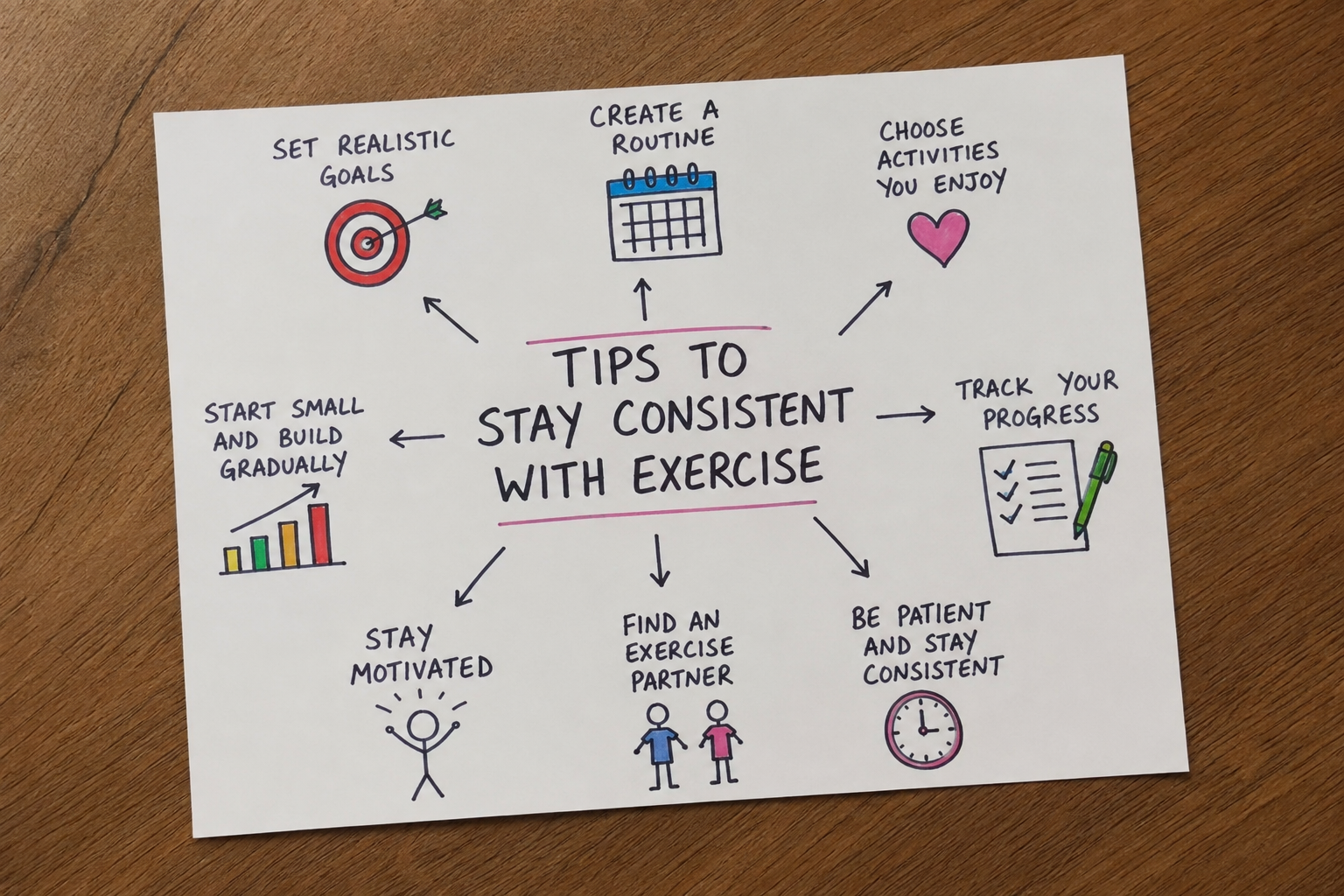
Staying consistent with exercise is about creating realistic habits that fit your life. Set achievable goals, choose activities you enjoy, create a simple exercise routine, track your progress, and prepare for busy days. Most importantly, do not expect yourself to be perfect.
Regular exercise does not have to be complicated or exhausting. Even small amounts of physical activity can become valuable when you repeat them consistently. Start with what you can manage today and gradually build from there.
The most effective exercise routine is the one you can continue. By making exercise simple, enjoyable, and realistic, you can develop a lasting fitness habit and move closer to a healthier and more active lifestyle.