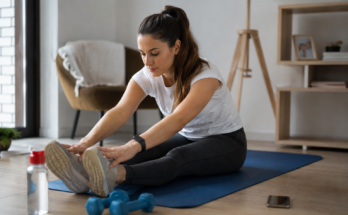

Starting a daily exercise routine can be one of the best decisions for improving your health, energy, and overall quality of life. Many people want to exercise regularly but find it difficult to create a routine that fits their lifestyle. The good news is that you do not need expensive equipment or hours of free time to become more active. A simple and consistent approach can help you build a daily exercise routine that becomes a natural part of your life.
Whether you are a beginner, a busy professional, a student, or someone returning to exercise after a long break, the key is to start slowly and remain consistent. In this article, you will learn how to start a daily exercise routine, choose suitable exercises, stay motivated, and make physical activity a lasting habit.
Why a Daily Exercise Routine Is Important
Regular exercise offers many benefits for both the body and mind. Physical activity can help improve cardiovascular health, strengthen muscles, support healthy body weight, and increase flexibility. It can also improve your energy levels and help you feel more active during the day.
Exercise is also useful for mental well being. Regular movement can help reduce everyday stress and support a positive mood. When exercise becomes part of your daily routine, you may also find it easier to sleep well and maintain a healthier lifestyle.
A daily exercise routine does not mean that you need to perform intense workouts every day. Simple activities such as walking, stretching, light strength exercises, cycling, or basic home workouts can also contribute to an active lifestyle.
Set Realistic Exercise Goals
The first step in starting a daily exercise routine is setting realistic goals. Many beginners make the mistake of trying to exercise for a long time from the first day. This can make the body tired and may reduce motivation.
Instead, begin with a manageable goal. You could start with 15 to 20 minutes of exercise each day. Once your body becomes comfortable with regular movement, you can gradually increase the duration and intensity.
Your goals should also be specific. Instead of saying that you want to become healthier, create a simple target such as walking for 20 minutes every morning or completing a short home workout five days a week.
Small goals are easier to achieve and can give you the confidence to continue.
Choose Exercises You Enjoy
One of the easiest ways to maintain a daily exercise routine is to choose activities that you actually enjoy. Exercise should not feel like a punishment. If you dislike a particular workout, it may become difficult to continue it for a long time.
There are many forms of physical activity to choose from. Walking is a simple option for beginners. Cycling can be enjoyable for people who like outdoor activities. Dancing can provide a fun cardiovascular workout. Strength exercises can help build muscle and improve physical strength.
You can also combine different activities throughout the week. For example, you might walk on some days, perform strength exercises on other days, and spend a few minutes stretching each day.
Create a Simple Exercise Schedule
A clear exercise schedule can make it easier to turn physical activity into a habit. Choose a time of day that works well with your normal routine.
Some people prefer exercising in the morning because it helps them begin the day with energy. Others prefer exercising in the evening after finishing work or study.
The best exercise time is the time you can follow consistently. Try to keep your exercise sessions around the same time each day. Over time, your mind and body can become accustomed to this schedule.
For beginners, a simple routine could include a short warm up, moderate exercise, and a cool down. The entire session can be completed within 20 to 30 minutes.
Start With a Warm Up
A warm up is an important part of an exercise routine. It prepares your body for physical activity and helps you move more comfortably.
A warm up can include gentle walking, slow movements, arm circles, or other light activities. Spend several minutes gradually increasing your movement before beginning more demanding exercises.
Avoid starting a challenging workout suddenly. Giving your body time to prepare can make the exercise session more comfortable.
Include Different Types of Exercise
A balanced daily exercise routine should include different forms of physical activity. Each type of exercise provides different benefits.
Cardiovascular activities such as walking, jogging, cycling, and swimming can support heart and lung fitness. Strength exercises such as squats, lunges, push ups, and resistance exercises can help improve muscular strength.
Flexibility exercises such as gentle stretching can help maintain comfortable movement. Balance exercises can also be useful, especially as people become older.
You do not need to perform every type of exercise every day. Instead, create variety throughout your weekly routine.
Make Exercise Part of Your Lifestyle
Exercise becomes easier when it is connected with your normal daily activities. Look for simple ways to move more throughout the day.
You can take short walking breaks, use stairs when appropriate, walk while talking on the phone, or spend some time doing household activities. These small movements can add up and help you become more active.
If you work at a desk, try standing and moving around regularly instead of remaining seated for long periods. These simple habits can support your overall physical activity.

Listen to Your Body
When starting a daily exercise routine, it is important to pay attention to how your body feels. Some muscle tiredness can be normal when you begin exercising, but you should not ignore severe or unusual pain.
If an exercise causes pain, stop and consider whether you are performing it correctly or whether the activity is suitable for your current fitness level. Beginners should increase exercise intensity gradually rather than trying to achieve advanced results immediately.
Rest is also an important part of fitness. Your routine can include lighter activities or rest days when your body needs recovery.
Stay Consistent Instead of Perfect
Consistency is more important than perfection when starting an exercise routine. You may occasionally miss a workout because of work, travel, family responsibilities, or other unexpected events. Missing one session does not mean that your entire routine has failed.
Simply return to your routine when you can. Avoid thinking that you need to start again from zero.
A realistic exercise habit is one that can continue even when life becomes busy. If you have limited time, a short workout is better than doing nothing. Even 10 minutes of movement can help you maintain the habit.
Keep Yourself Motivated
Motivation can change from day to day, so it is useful to create habits that make exercise easier. Prepare your workout clothes in advance, keep your exercise equipment somewhere accessible, or choose a regular exercise time.
You can also track your progress. Write down the days you exercise, the activities you complete, and how long you spend exercising. Seeing your progress can encourage you to continue.
Some people also enjoy exercising with friends or family members. Having someone to walk or work out with can make physical activity more enjoyable and provide extra motivation.
Avoid Common Beginner Mistakes
Beginners often make a few common mistakes when starting a daily exercise routine. One mistake is doing too much too soon. Another is focusing only on intense workouts while ignoring recovery.
Some people also compare their progress with other people. Everyone has a different fitness level, lifestyle, and starting point. Your main goal should be improving your own habits.
Another common mistake is expecting immediate results. Building fitness takes time. Focus on consistency, healthy habits, and gradual improvement rather than looking for instant changes.
A Simple Daily Exercise Routine for Beginners
A beginner can start with a simple routine that does not require special equipment. Begin with five minutes of gentle warm up activity. Follow this with 10 to 15 minutes of moderate movement such as brisk walking or simple bodyweight exercises.
You can then spend five minutes doing gentle stretching and relaxing movements. As your fitness improves, gradually increase the amount of exercise.
For example, one day could focus on walking, another could include basic strength exercises, and another could involve cycling or a longer walk. Keeping some variety in your routine can make exercise more interesting.
Make Your Routine Sustainable
The best daily exercise routine is one that you can maintain for months and years. Avoid creating a schedule that is too difficult for your current lifestyle.
Consider your work, study, family responsibilities, sleep schedule, and personal preferences when planning your exercise. A shorter routine that you follow regularly is often more useful than a demanding routine that you quickly abandon.
Remember that fitness is a long term journey. Your routine can change as your strength, endurance, schedule, and goals change.
Conclusion
Learning how to start a daily exercise routine does not have to be complicated. Begin with realistic goals, choose exercises you enjoy, create a simple schedule, and increase your activity gradually. Walking, stretching, strength exercises, cycling, and other forms of movement can all become part of an active lifestyle.
The most important part of starting an exercise routine is consistency. You do not need to be perfect or exercise for hours every day. Start with small steps and focus on making physical activity a regular part of your life.
With patience and commitment, a daily exercise routine can become a healthy habit that supports your physical fitness, energy, mood, and overall well being.