Losing weight is a common goal for many people, but knowing how often you should exercise to lose weight can sometimes be confusing. Some people believe that exercising every day is necessary, while others think a few workouts each week are enough. The truth is that successful weight loss depends on finding a regular exercise routine that you can maintain over time.
Exercise helps your body burn calories, build muscle, improve fitness, and support a healthy metabolism. However, exercise works best when combined with healthy eating, enough sleep, and good daily habits. You do not need to spend hours in the gym every day to make progress. The most important thing is to stay active consistently and choose workouts that match your fitness level and goals.
How Often Should You Exercise to Lose Weight
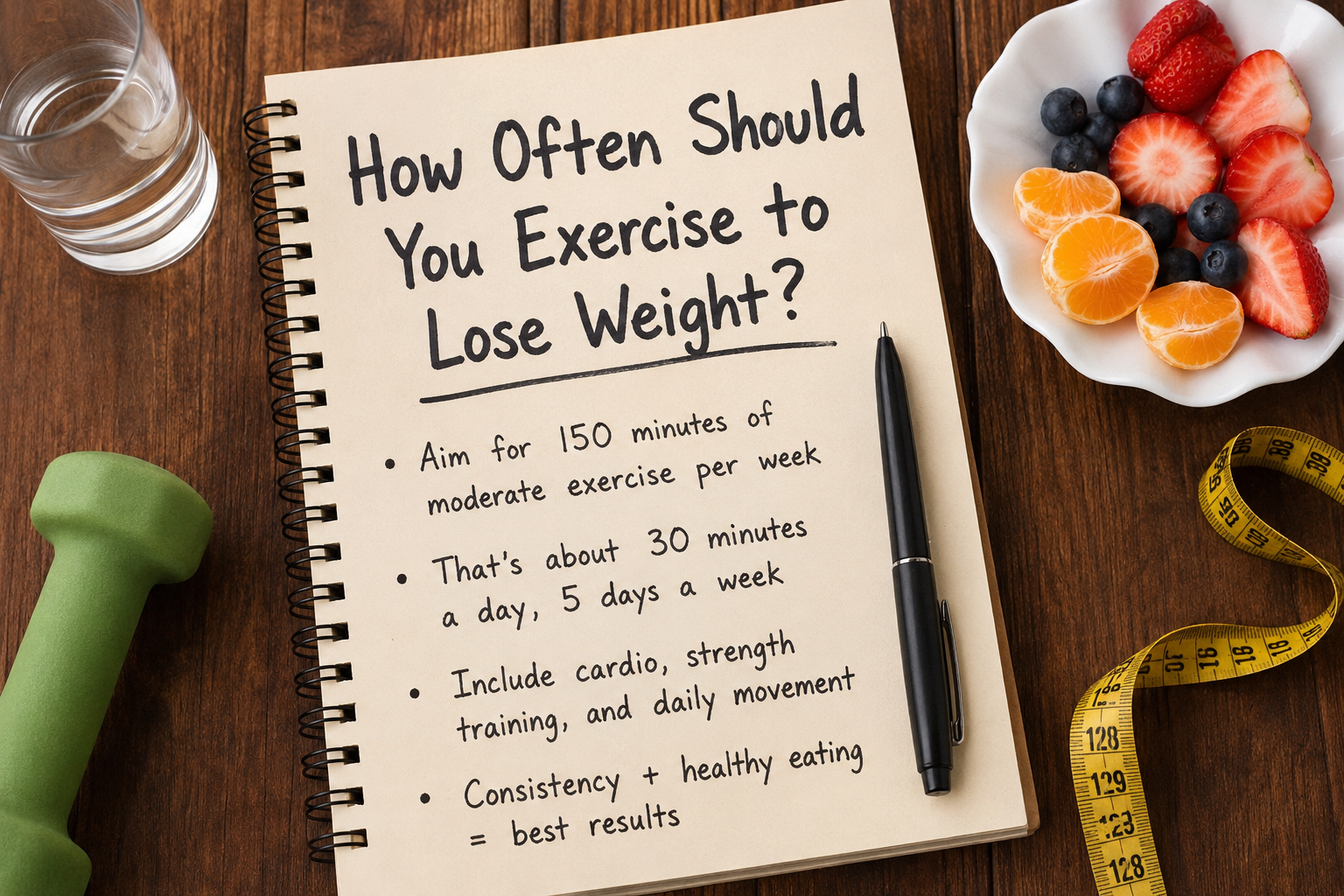
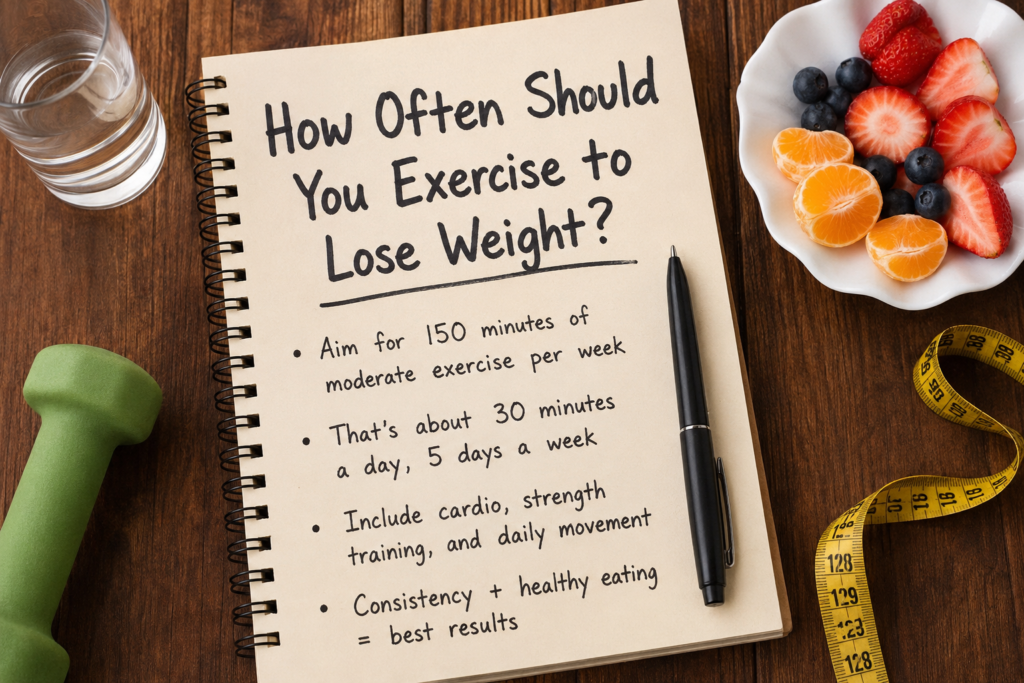
For most adults, exercising around four to five days per week can be a practical goal for weight loss. Your workouts do not have to be extremely long or difficult. A combination of cardio exercises, strength training, and daily movement can help you burn calories while improving your overall fitness.
If you are new to exercise, starting with three days per week may be more realistic. As your body becomes stronger and your fitness improves, you can gradually increase the number of workout days.
A good weekly routine may include three days of cardio, two days of strength training, and regular light movement on the remaining days. You can also combine cardio and strength exercises during the same workout if you have limited time.
Why Exercise Frequency Matters for Weight Loss
Exercise frequency matters because your body uses energy whenever you are physically active. Regular workouts can increase the number of calories you burn throughout the week. When you combine regular exercise with a balanced diet that provides fewer calories than your body uses, weight loss can occur.
Exercising regularly also helps you develop healthy habits. One workout will not create major changes, but repeating healthy actions week after week can produce meaningful results.
Regular physical activity can also improve stamina and strength. As your fitness improves, you may be able to exercise for longer periods or perform more challenging workouts. This can make it easier to stay active and continue working toward your weight loss goals.
How Many Days a Week Should You Exercise
There is no single number of workout days that works perfectly for everyone. Your ideal exercise schedule depends on your current fitness level, lifestyle, health, and weight loss goals.
Beginners can start with three exercise days per week. For example, you might exercise on Monday, Wednesday, and Friday. This schedule gives your body time to recover between workouts.
People who already exercise regularly may aim for four or five workout days each week. This can include different types of physical activity to prevent boredom and reduce excessive stress on the same muscles.
You can also stay active on rest days by walking, doing household activities, stretching, or participating in other light activities.
How Long Should You Exercise Each Day
The length of your workout is also important, but longer does not always mean better. A workout lasting 30 to 60 minutes can be enough for many people when performed consistently.
Beginners may start with 20 to 30 minutes of exercise and gradually increase the duration. If you have limited time, you can divide your activity into smaller sessions during the day.
For example, you could take a 15 minute walk in the morning and another 15 minute walk in the evening. These short periods of movement can add up and help you stay active throughout the day.
The key is to choose a workout duration that you can maintain without feeling completely exhausted.
Cardio Exercise for Weight Loss
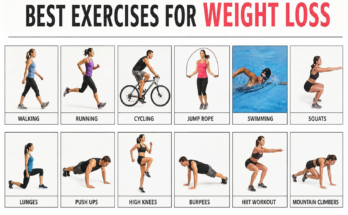
Cardio exercise is useful for burning calories and improving heart health. Common cardio workouts include walking, jogging, cycling, swimming, dancing, and using cardio machines.
Walking is one of the easiest exercises for beginners. A regular brisk walk can increase your daily calorie expenditure without requiring expensive equipment.
You can perform moderate cardio several times per week. As your fitness improves, you can increase your walking speed, distance, or workout duration.
High intensity activities can also burn a significant number of calories, but they are not necessary for everyone. If you are a beginner, focus on building consistency before attempting very difficult workouts.
Strength Training and Weight Loss
Strength training is another important part of a weight loss exercise routine. Exercises such as squats, lunges, push ups, rows, and resistance exercises can help strengthen your muscles.
Building muscle is useful because muscle tissue requires energy to maintain. Strength training can also help you maintain muscle while losing body fat.
Try to include strength training around two to three times per week. Allow your muscles enough recovery time between challenging sessions.
You do not necessarily need a gym to perform strength exercises. Bodyweight workouts can be effective at home when performed with proper form and gradually increased difficulty.
Can You Exercise Every Day to Lose Weight
You can be physically active every day, but that does not mean you need to perform intense workouts every day. Your body needs recovery, especially after challenging strength or high intensity sessions.
Instead of exercising intensely every day, you can vary your activities. For example, you might perform strength training on Monday, take a brisk walk on Tuesday, do cardio on Wednesday, stretch on Thursday, and complete another strength workout on Friday.
Light activities such as walking and stretching can be suitable for recovery days. This approach allows you to remain active while giving your body time to recover.
Rest Days Are Important
Rest days are an important part of a successful weight loss workout routine. Exercise places stress on your muscles and body, and recovery allows you to adapt to that stress.
Taking a rest day does not mean you have failed or become lazy. It means you are giving your body an opportunity to recover.
If you feel very tired, experience unusual soreness, or notice that your workout performance is declining, consider reducing your workout intensity and allowing additional recovery time.
Exercise and Healthy Eating
Exercise alone may not always lead to the weight loss results you want. Food choices play a major role in controlling your overall calorie intake.
A balanced weight loss diet can include vegetables, fruits, whole grains, lean protein, healthy fats, and plenty of water. Limiting highly processed foods and excessive sugary drinks can also make it easier to manage calorie intake.
Exercise can support your diet by increasing energy expenditure, but eating large amounts of high calorie foods can make it difficult to create the calorie deficit needed for weight loss.
For this reason, think of exercise and nutrition as two parts of the same healthy lifestyle.
How to Stay Consistent With Exercise
Consistency is often more important than trying to complete the hardest workout possible. Choose activities that you enjoy and that fit naturally into your schedule.
Set realistic goals instead of expecting dramatic results within a few days. You can begin with three workouts each week and gradually increase your activity.
Planning your workouts in advance can also help. Choose specific days and times for exercise and treat those sessions as part of your normal routine.
Walking with a friend, listening to music, following a home workout, or trying different activities can make exercise more enjoyable.
What If You Miss a Workout
Missing one workout will not ruin your weight loss progress. Life can become busy, and it is normal to occasionally skip an exercise session.
Instead of feeling discouraged, simply return to your routine during the next available opportunity. Avoid trying to compensate by performing an extremely long or intense workout.
Long term consistency matters much more than perfection.
How Quickly Can Exercise Help You Lose Weight
Weight loss results vary from person to person. Your starting weight, diet, activity level, sleep, genetics, and other factors can affect your progress.
It is better to focus on gradual and sustainable progress rather than expecting rapid changes. You may notice improvements in energy, strength, mood, and fitness before significant changes appear on the scale.
Taking body measurements, noticing how your clothes fit, and tracking workout performance can provide additional signs of progress.
A Simple Weekly Exercise Routine for Weight Loss
A simple weekly exercise plan can make it easier to stay consistent.
Monday can be a 30 to 45 minute brisk walk followed by light stretching.
Tuesday can focus on strength training using bodyweight exercises such as squats, push ups, lunges, and planks.
Wednesday can be a moderate cardio workout such as cycling, jogging, dancing, or fast walking.
Thursday can be a recovery day with light walking and stretching.
Friday can be another full body strength workout.
Saturday can include a longer walk, recreational activity, or moderate cardio session.
Sunday can be a rest day or an easy walk depending on how your body feels.
This type of schedule provides a balance between exercise, recovery, and daily movement.
Final Thoughts
So, how often should you exercise to lose weight? For many people, exercising four to five days per week can be an effective goal, while beginners can start with three days and gradually build their routine. Combining cardio, strength training, and regular daily movement can support calorie burning, muscle strength, and overall fitness.
Remember that you do not need to exercise for hours every day. A consistent 30 to 60 minute workout can be valuable when combined with healthy eating and an active lifestyle.
The best exercise routine is one that you can follow consistently. Start at a comfortable level, increase your activity gradually, give your body enough recovery time, and focus on making exercise a regular part of your life. With patience and consistency, regular exercise can become a powerful tool for achieving healthy and sustainable weight loss.