Home exercise has become a popular way to stay active, build strength, improve fitness, and support a healthy lifestyle. You do not always need a gym membership or expensive equipment to achieve good results. With the right approach, home exercise can become an effective part of your daily routine.
However, simply exercising at home is not enough. Your results depend on how consistently you train, how well you perform each exercise, how you manage your recovery, and whether your workout routine matches your fitness goals. If you want to get better results from home exercise, small improvements in your routine can make a big difference.
This article shares practical tips for getting better results from home exercise while keeping your workouts simple, effective, and enjoyable.
Set Clear Fitness Goals
The first step toward better home workout results is to decide what you want to achieve. Your goal could be losing weight, building muscle, improving strength, increasing flexibility, improving endurance, or simply becoming more active.
A clear goal helps you choose the right exercises and create a suitable workout routine. For example, someone who wants to improve strength may focus on squats, push ups, lunges, planks, and other resistance exercises. Someone who wants better cardiovascular fitness may include jumping jacks, jogging in place, mountain climbers, or dancing.
Try to set realistic goals that you can work toward gradually. Avoid expecting major changes within a few days. Fitness improvements take time and consistent effort.
Create a Regular Workout Schedule
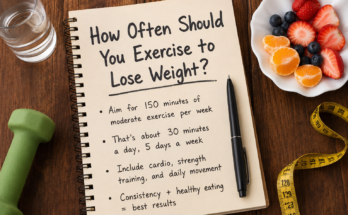
Consistency is one of the most important factors in getting better results from home exercise. You do not need to exercise for several hours every day. A regular workout schedule is more useful than occasional intense workouts.
Choose specific days and times for exercise. Even a 20 to 30 minute workout can be valuable when you perform it regularly. Treat your workout time as an important part of your daily routine.
If you are busy, break your exercise into smaller sessions. For example, you can exercise for 15 minutes in the morning and another 15 minutes later in the day. This can make it easier to stay active without feeling overwhelmed.
Focus on Proper Exercise Form
Good exercise form is essential for effective workouts. Performing an exercise incorrectly can reduce its benefits and may increase the risk of discomfort or injury.
When doing squats, keep your movements controlled and avoid rushing through repetitions. During push ups, maintain a stable body position and move through a comfortable range of motion. When performing planks, keep your body aligned rather than allowing your hips to drop.
Quality is more important than the number of repetitions. If you cannot maintain proper form, reduce the number of repetitions or choose an easier variation.
Start With a Warm Up
A warm up prepares your body for exercise. It can help increase blood flow, loosen your muscles, and prepare your body for more demanding movements.
A simple home workout warm up can include walking in place, arm circles, gentle squats, leg movements, and light jumping exercises. Spend around five to ten minutes warming up before your main workout.
A good warm up can also help you feel more comfortable during exercise and make the transition into your workout smoother.
Use Progressive Overload
If you want to continue improving your strength and fitness, your workouts need to become gradually more challenging. This principle is often called progressive overload.
You can make home exercises harder in several ways. You can increase repetitions, add another set, slow down the movement, reduce rest time, or move to a more difficult exercise variation.
For example, if ten regular squats become easy, you might increase the repetitions or try a more challenging squat variation. If regular push ups become comfortable, you can gradually work toward a more difficult variation.
Progress should be gradual. Increasing difficulty too quickly can make workouts unnecessarily difficult and may affect your exercise form.
Include Different Types of Exercises
A balanced home workout routine should include different types of movement. Focusing on only one exercise can make your routine repetitive and may leave important areas of fitness underdeveloped.
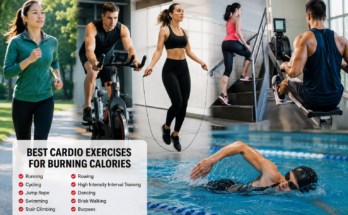
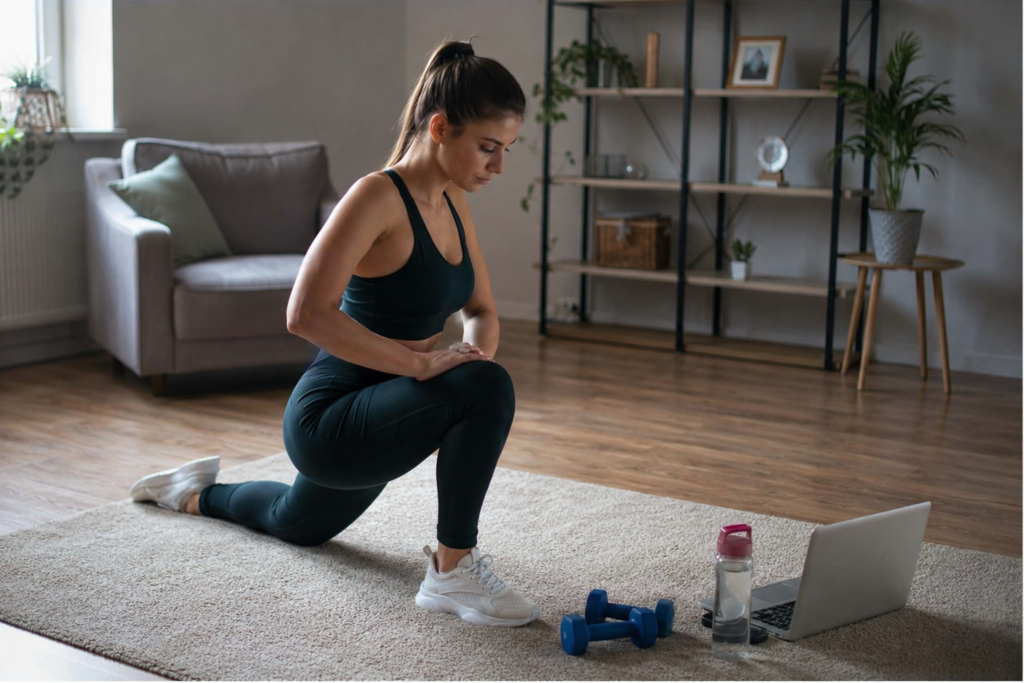
Include strength exercises such as squats, push ups, lunges, glute bridges, and planks. Add cardiovascular movements such as brisk walking, jumping jacks, dancing, or jogging in place. Flexibility exercises and gentle stretching can also be included in your routine.
Using different exercises keeps your workouts interesting and helps you work different muscle groups.
Increase Workout Intensity Gradually
Workout intensity plays an important role in fitness progress. However, you should not try to make every workout extremely difficult.
Start at a level that matches your current fitness ability. As your body becomes stronger and more comfortable with exercise, gradually increase the intensity.
You can increase intensity by performing exercises at a faster pace, adding repetitions, reducing rest periods, or choosing more challenging movements. Listen to your body and avoid pushing through sharp or unusual pain.
The goal is to challenge yourself while still maintaining control and proper technique.
Take Rest and Recovery Seriously
Rest is an important part of getting better results from home exercise. Your body needs time to recover after physical activity.
Training hard every day without enough recovery can leave you tired and may make it harder to maintain good exercise form. Include rest days or lighter activity days in your weekly routine.
Sleep is also important for recovery. Try to maintain a regular sleep schedule and give your body enough time to rest. Recovery allows you to return to your workouts with better energy and focus.
Pay Attention to Nutrition
Exercise works best when combined with healthy eating habits. Your body needs nutrients to support physical activity and recovery.
Include a variety of nutritious foods such as vegetables, fruits, whole grains, lean protein sources, beans, nuts, seeds, and other foods that fit your dietary needs.
Protein is particularly important for supporting muscle maintenance and recovery. Drinking enough water throughout the day is also important, especially when you exercise and sweat.
Avoid thinking of exercise as a way to compensate for unhealthy eating. Instead, focus on building a balanced lifestyle that includes regular movement and nutritious food.
Stay Hydrated
Hydration can affect how you feel during exercise. Drink water regularly throughout the day and pay attention to your thirst, especially during warm weather or longer workouts.
Keep a bottle of water nearby while exercising at home. If your workout is longer or you are sweating heavily, hydration becomes even more important.
Good hydration can help you stay comfortable and focused during your workout.
Track Your Progress
Tracking your progress can help you stay motivated and understand whether your home exercise routine is working.
You can record the exercises you perform, the number of repetitions, workout duration, and how difficult the session felt. You can also track improvements such as being able to perform more push ups, hold a plank longer, or complete a workout with less fatigue.
Do not compare your progress with someone else. Your progress should be measured against your own starting point.
Make Your Home Workout Space Comfortable
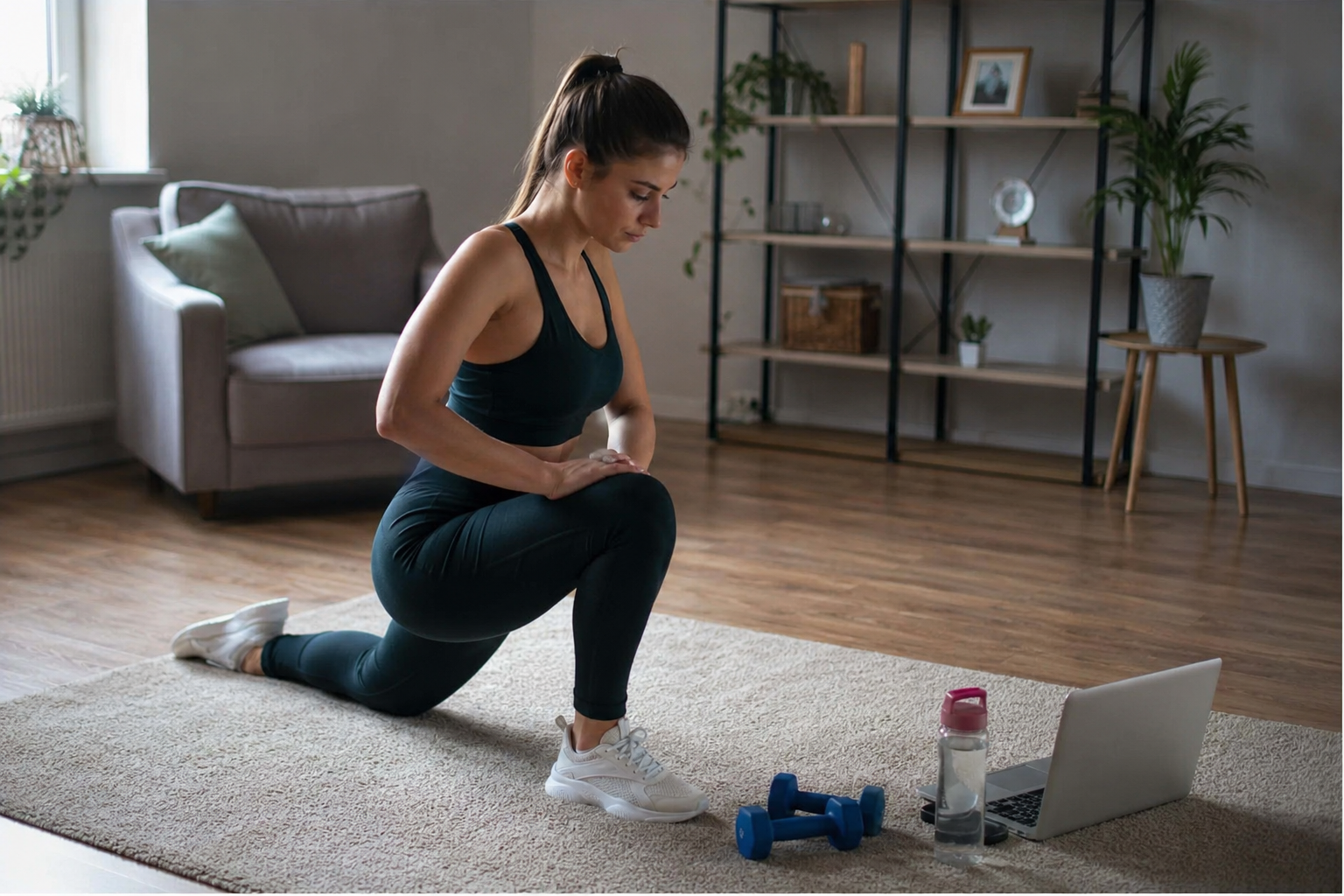
You do not need a large room to exercise at home. A small, clean space can be enough for many bodyweight exercises.
Choose an area where you can move safely without hitting furniture or other objects. A comfortable exercise mat can provide support for floor exercises, although many workouts can be performed without special equipment.
Keeping your workout area ready can also reduce excuses and make it easier to start exercising.
Avoid Doing Too Much Too Soon
One common mistake is trying to make rapid progress by exercising too intensely. If you are new to exercise, start with manageable workouts and increase the challenge slowly.
Your body needs time to adapt to new physical demands. Starting with realistic workouts makes it easier to stay consistent and reduces the chance of becoming discouraged.
Remember that small improvements over several weeks and months can lead to meaningful results.
Stay Consistent and Patient
Getting better results from home exercise requires patience. You may not notice major changes immediately, but regular exercise can gradually improve your strength, endurance, mobility, and overall fitness.
There will be days when you feel energetic and days when motivation is low. The key is to build habits that do not depend completely on motivation.
Even a short workout is better than doing nothing when you are having a busy day. Focus on showing up regularly rather than trying to make every workout perfect.
Conclusion
Getting better results from home exercise does not require expensive equipment or complicated workout programs. The most important factors are consistency, proper exercise form, gradual progression, balanced workouts, recovery, hydration, and healthy nutrition.
Set clear goals and create a workout schedule that fits your lifestyle. Start with exercises you can perform safely, gradually increase the challenge, and give your body enough time to recover. Track your progress so you can see how your fitness improves over time.
With patience and regular effort, home exercise can become an effective way to improve your fitness and support a healthier lifestyle. The most important step is to start, stay consistent, and continue making small improvements to your routine.