Building muscle is a goal that many people have, but it does not happen overnight. You need regular exercise, proper nutrition, enough rest, and patience to see steady results. The good news is that you do not always need expensive gym equipment or complicated workout plans to build muscle. With a consistent exercise routine and the right approach, you can gradually become stronger and develop a healthier and more muscular body.
If you are wondering how to build muscle with regular exercise, the most important thing is to understand how your body responds to resistance training. When you challenge your muscles during exercise, they experience small amounts of stress. Your body repairs these muscles during recovery, helping them become stronger and larger over time.
What Does It Take to Build Muscle?
Muscle growth depends on several important factors. Regular resistance exercise is one of the most important because it gives your muscles a reason to adapt. However, exercise alone is not enough. Your body also needs protein, calories, sleep, and recovery time.
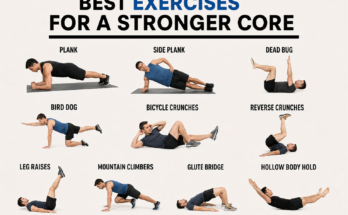
A successful muscle building routine should include strength exercises that target different muscle groups. Exercises such as squats, push ups, lunges, rows, shoulder presses, and resistance exercises can help improve muscle strength and development.
Consistency is more important than trying to do extremely difficult workouts once in a while. A simple workout routine followed regularly can produce better results than an intense routine that you cannot maintain.
Start With Basic Strength Exercises
If you are new to muscle building, begin with basic exercises. Compound movements are especially useful because they work several muscles at the same time.
Squats are a great exercise for the legs and lower body. Push ups can strengthen the chest, shoulders, arms, and core. Lunges help develop the legs and improve balance. Rows can strengthen the back and arms, while shoulder presses target the shoulders and upper body.
You can perform many of these exercises at home using your body weight. As you become stronger, you can add resistance bands, dumbbells, or other simple equipment.
The goal is not to perform hundreds of repetitions. Instead, focus on controlled movements and good exercise technique.
Follow a Regular Workout Schedule
Regular exercise is essential for building muscle. Training randomly makes it difficult to measure progress and may not provide your muscles with enough consistent stimulation.
A beginner can start with strength training three days per week. For example, you could exercise on Monday, Wednesday, and Friday while using the other days for rest or light activity.
As you become more experienced, you can adjust your workout schedule based on your goals and recovery ability. Some people prefer full body workouts, while others divide training sessions by different muscle groups.
The best workout schedule is one that you can follow consistently. If your routine is too difficult to maintain, you are more likely to stop exercising.
Use Progressive Overload
One of the most important principles of muscle growth is progressive overload. This means gradually making your exercises more challenging as your body becomes stronger.
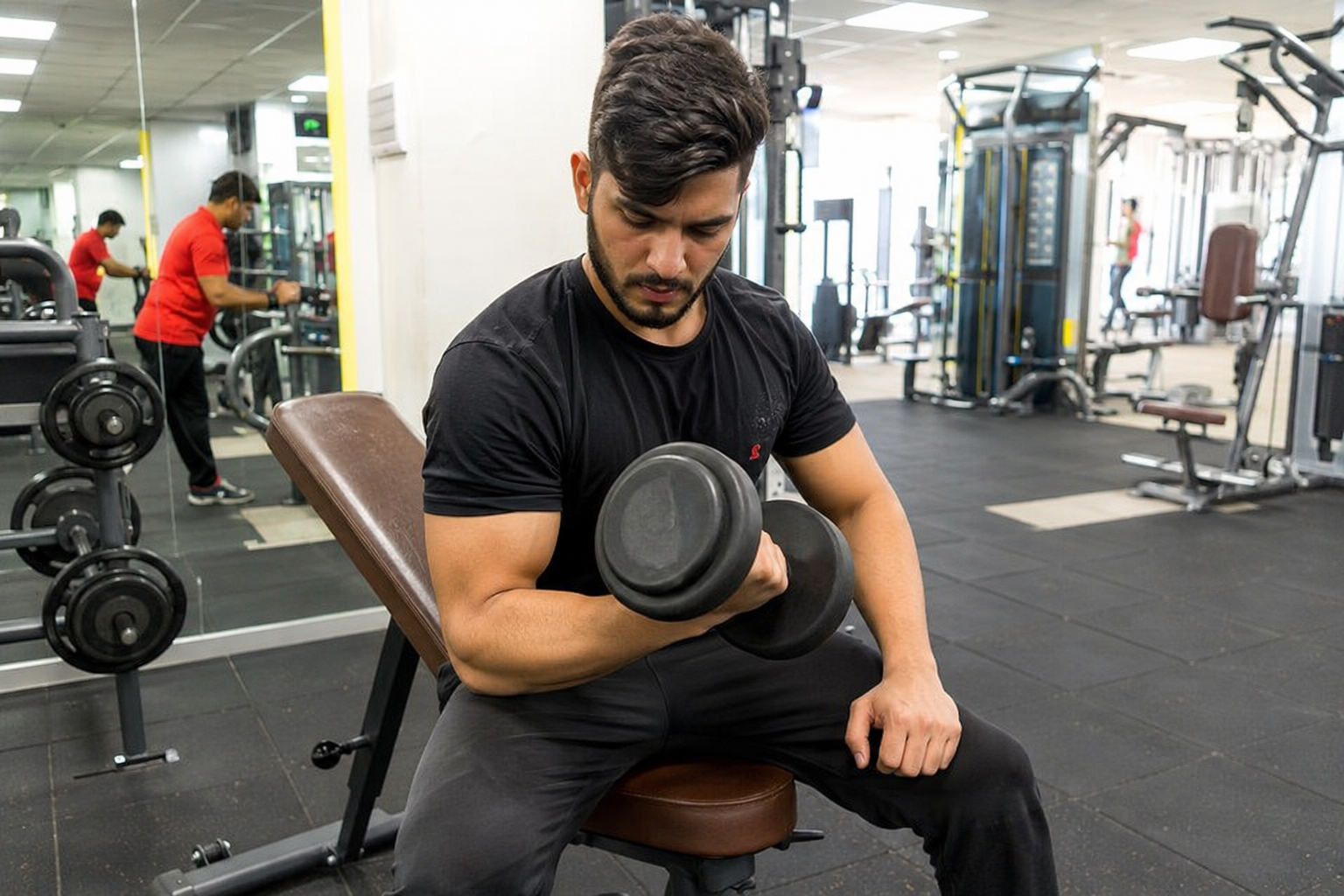
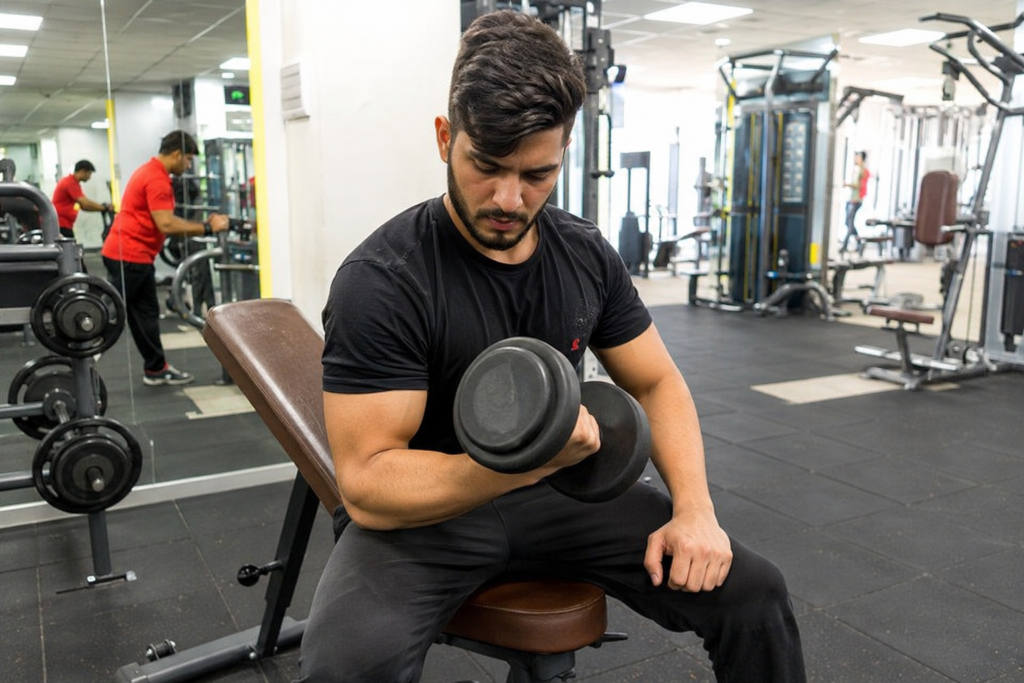
For example, if you can comfortably perform ten push ups today, you may work toward twelve or fifteen over time. If you are using dumbbells, you may gradually increase the weight when your current weight becomes easy.
You can also increase the number of repetitions, sets, or improve your exercise technique. The changes should be gradual rather than sudden.
Progressive overload helps prevent your workouts from becoming too easy. When your muscles continue to face appropriate challenges, they have a reason to adapt and become stronger.
Focus on Proper Exercise Form
Good form is essential when you are trying to build muscle. Poor technique can reduce the effectiveness of an exercise and may increase the risk of injury.
During each movement, focus on controlled motion rather than rushing through repetitions. Keep your body in a stable position and use the muscles you are trying to train.
For example, when performing squats, keep your chest controlled and focus on moving through the hips and legs. During push ups, maintain a stable body position and lower yourself under control.
Learning proper form may take time, but it is worth the effort. Quality repetitions are generally more useful than performing a large number of repetitions with poor technique.
Eat Enough Protein
Nutrition plays a major role in muscle growth. Protein provides amino acids that your body uses to repair and maintain muscle tissue.
Good protein sources include eggs, chicken, fish, milk, yogurt, beans, lentils, cottage cheese, nuts, and other protein rich foods. Including a source of protein in your meals can help support your exercise goals.
You should also eat a balanced diet that includes carbohydrates, healthy fats, fruits, vegetables, and plenty of fluids. Carbohydrates can provide energy for workouts, while healthy fats support overall health.
Avoid focusing only on protein while ignoring the rest of your diet. Your body needs a variety of nutrients to perform well and recover from exercise.
Do Not Ignore Calories
If your goal is to gain muscle, eating enough food is important. Your body needs energy to support exercise, recovery, and muscle development.
Some people try to build muscle while eating too little. This can make it harder to recover from workouts and may limit progress.
Instead of relying on highly processed foods, focus on nutritious meals that provide protein, carbohydrates, healthy fats, vitamins, and minerals.
Your exact calorie needs depend on factors such as age, body size, activity level, and goals. A balanced approach is usually better than trying to dramatically increase food intake.
Give Your Muscles Time to Recover
Exercise stimulates muscle growth, but recovery gives your body the opportunity to repair itself. Training the same muscles intensely every day may not provide enough recovery time.
Rest days are an important part of a muscle building routine. You can use rest days for walking, stretching, or other light activities.
Sleep is also extremely important. Adults generally benefit from getting enough quality sleep each night. Poor sleep can make it harder to recover and may affect your energy during workouts.
Think of recovery as part of your training rather than something separate from it.
Stay Consistent With Your Routine
Consistency is one of the biggest factors in successful muscle building. You may not notice major changes after a few workouts, and that is completely normal.
Muscle development takes time. Instead of expecting immediate results, focus on improving your performance gradually.
Keep track of your exercises, repetitions, sets, and weights. You can also take progress photos or measurements if you want a clearer way to monitor changes.
Small improvements can add up. Performing one more repetition, using slightly more resistance, or improving your form can all be signs of progress.
Avoid Common Muscle Building Mistakes
Many beginners make mistakes that slow their progress. One common mistake is changing workouts too frequently. Your body needs time to adapt, so give a workout plan enough time before deciding whether it works.
Another mistake is training too hard without proper recovery. More exercise does not always mean faster muscle growth.
Some people also focus too much on supplements. Supplements can sometimes be useful, but they should not replace a healthy diet and consistent exercise routine.
Skipping warm ups, using poor form, and ignoring pain are other mistakes to avoid. If you experience unusual or severe pain during exercise, stop the activity and consider getting professional medical advice.
Can You Build Muscle at Home?
Yes, it is possible to build muscle at home. Bodyweight exercises can provide a useful starting point, especially for beginners.
Push ups, squats, lunges, planks, glute bridges, and other bodyweight movements can challenge your muscles. You can make exercises more difficult by increasing repetitions, changing variations, slowing down movements, or adding resistance when appropriate.
Resistance bands and adjustable dumbbells can also make home workouts more flexible. You do not need a large collection of equipment to create an effective muscle building routine.
How Long Does It Take to Build Muscle?
The time needed to build noticeable muscle varies from person to person. Your training experience, genetics, nutrition, sleep, age, and consistency can all influence your results.
Beginners may notice improvements in strength relatively quickly. Visible muscle changes usually take longer and require consistent effort over many weeks and months.
Instead of focusing only on appearance, pay attention to improvements in strength, exercise performance, energy, and overall fitness.
Final Thoughts
Learning how to build muscle with regular exercise requires patience and consistency. Start with basic strength exercises, follow a structured workout schedule, use progressive overload, and focus on proper form. Support your training with nutritious food, enough protein, adequate calories, quality sleep, and regular recovery.
You do not need to make your workouts extremely complicated. A simple and consistent muscle building routine can help you become stronger and healthier over time. The key is to keep exercising, gradually challenge your muscles, and give your body enough time to recover.
With regular exercise and healthy lifestyle habits, building muscle can become a sustainable part of your daily routine. Stay patient, track your progress, and focus on small improvements. Over time, those small improvements can lead to meaningful changes in your strength, fitness, and physique.