Strength training is one of the best ways to improve your overall fitness, build muscle, increase strength, and support a healthy body. Many beginners think strength training is only for athletes or people who want large muscles, but that is not true. Anyone can benefit from simple strength training exercises when they are performed correctly and consistently.
If you are new to strength training, starting with the right approach can make your workouts safer, easier, and more effective. You do not need expensive gym equipment or complicated workout plans. With basic exercises, proper technique, and regular practice, you can make steady progress.
In this article, you will learn the best strength training tips for beginners and how to create a simple routine that can help you become stronger and more confident.
Start With Simple Strength Training Exercises
One of the most important strength training tips for beginners is to start with simple exercises. You do not need to perform advanced movements when you are just starting. Basic exercises allow you to learn proper movement patterns and understand how your body responds to exercise.
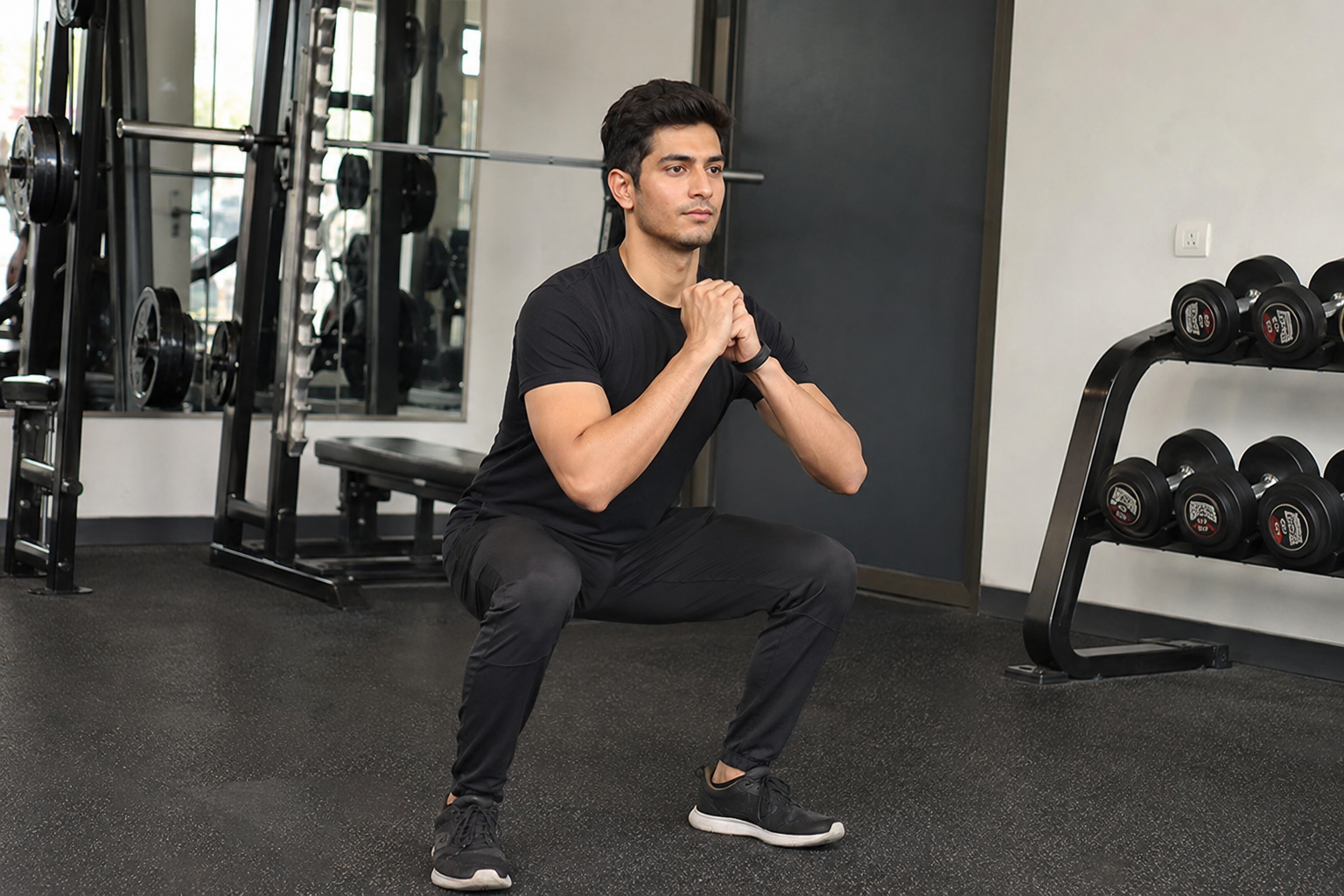
Some excellent beginner strength training exercises include squats, lunges, push ups, glute bridges, planks, and bodyweight rows. These movements work several muscles and can be performed at home or in a gym.
Focus on learning the correct form before adding more weight. Good technique helps you get better results and reduces the risk of unnecessary strain.
Learn Proper Exercise Form
Proper form is more important than lifting heavy weights. Beginners often make the mistake of trying to increase weight too quickly. This can make an exercise harder to control and may increase the chance of injury.
When performing an exercise, move slowly and pay attention to your body position. Keep your movements controlled instead of rushing through repetitions.
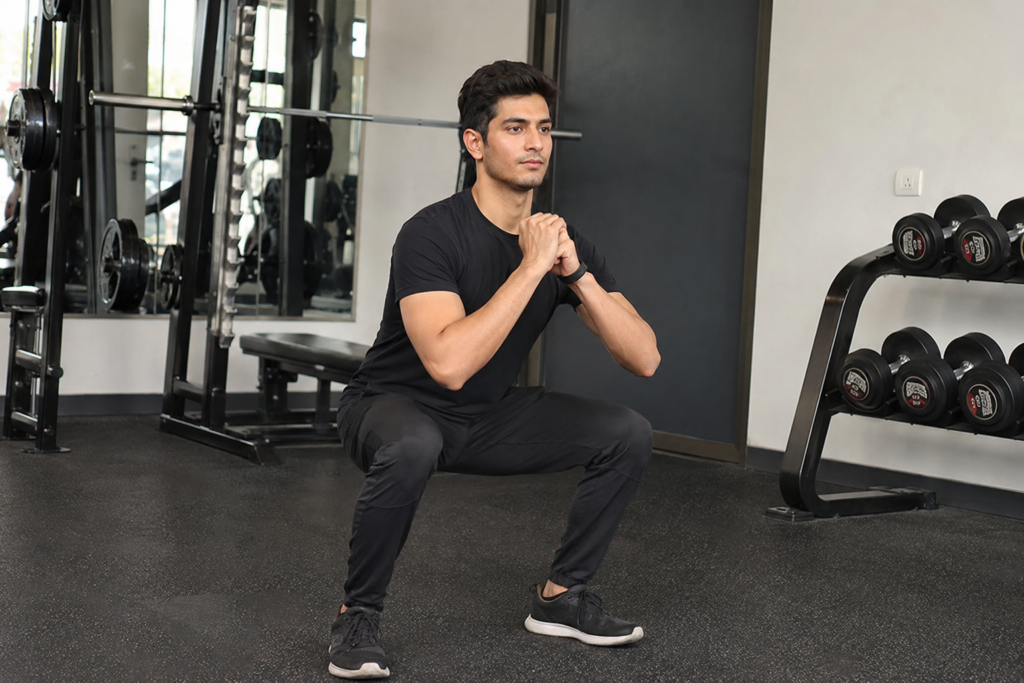
For example, when performing a squat, keep your chest comfortable, maintain control as you lower your body, and push through your feet as you return to the starting position.
If you are unsure about an exercise, consider learning from a qualified fitness professional or a reliable educational source.
Begin With Light Resistance
Another useful strength training tip for beginners is to begin with light resistance. Your first goal should be learning the movement rather than seeing how much weight you can lift.
You can start with bodyweight exercises or very light dumbbells. Once you become comfortable with the movement, you can gradually increase the resistance.
Starting light gives your muscles, joints, and connective tissues time to adapt. It also allows you to focus on proper technique and build confidence.
Train Your Whole Body
A balanced strength training routine should include exercises for different muscle groups. Instead of focusing only on your arms or chest, try to train your legs, back, shoulders, chest, arms, and core.
Full body workouts are especially useful for beginners because they provide a simple way to work multiple muscle groups during each session.
A beginner workout could include squats for the legs, push ups for the chest and arms, rows for the back, glute bridges for the hips, and planks for the core.
This approach can help create balanced strength throughout the body.
Do Not Forget Your Core
Core strength is an important part of fitness. Your core includes muscles around your abdomen, hips, and lower back. A strong core can help you maintain better stability while performing many strength exercises.
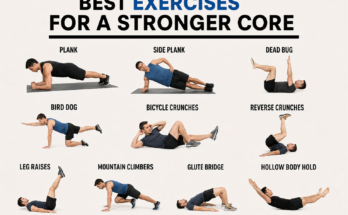
Beginner friendly core exercises include planks, dead bugs, bird dogs, and controlled leg raises.
You do not need to perform hundreds of abdominal exercises. A few controlled sets performed regularly can be enough to develop better core strength over time.
Focus on Consistency
One of the best strength training tips for beginners is to stay consistent. You do not need to exercise for hours every day to see progress.
For most beginners, two or three strength training sessions each week can provide a good starting point. The important thing is to create a routine that you can realistically maintain.
Try to choose workout days that fit your normal schedule. When exercise becomes part of your regular routine, it becomes easier to continue.
Remember that strength does not develop overnight. Regular training combined with proper recovery is what creates long term progress.
Give Your Muscles Time to Recover
Rest is an important part of strength training. Your muscles need time to recover after a challenging workout. Training the same muscles intensely every day may not give them enough time to repair and adapt.
Make sure you include rest days in your workout schedule. You can use these days for normal daily activities, gentle walking, stretching, or simply relaxing.
Good sleep is also important. Quality sleep supports recovery and helps you feel more prepared for your next workout.
Increase Resistance Slowly
As your body becomes stronger, you may notice that your current workout starts to feel easier. This is a good sign. It means your body is adapting to the training.
At this stage, you can gradually increase the challenge. You might add a small amount of weight, perform a few more repetitions, or add another set.
Do not make large increases suddenly. Gradual progression is one of the most effective ways to improve strength while maintaining good technique.
Pay Attention to Repetitions and Sets
Beginners do not need complicated workout programs. A simple approach is often easier to follow.
For many beginner exercises, starting with around eight to twelve controlled repetitions can be practical. You can perform one to three sets depending on your fitness level and the exercise.
The exact number is less important than using proper form and choosing a resistance that challenges you without making your technique fall apart.
As you gain experience, you can adjust your sets and repetitions based on your goals.
Warm Up Before Strength Training
A short warm up can help prepare your body for exercise. Before starting your strength workout, spend several minutes doing easy movements.
You can walk around, perform gentle bodyweight squats, move your arms through a comfortable range of motion, or perform other light movements related to your workout.
The goal is to gradually prepare your body rather than become tired before the actual workout begins.
Stay Hydrated
Water is another simple part of a good strength training routine. Drink enough fluids throughout the day, especially when you exercise in a warm environment or sweat heavily.
Keep water nearby during your workout and drink according to your needs.
Hydration supports normal body functions and can help you feel more comfortable during exercise.
Eat a Balanced Diet
Strength training works best when combined with a balanced diet. Your body needs nutrients to support normal energy levels, muscle function, and recovery.
Include a variety of foods such as vegetables, fruits, whole grains, healthy fats, and protein rich foods. Protein is particularly important because it provides amino acids that the body uses to maintain and repair muscle tissue.
You do not need an extreme diet to become stronger. Focus on regular, balanced meals and choose foods that support your overall health.
Track Your Progress
Keeping track of your workouts can help you understand how you are improving. You can write down the exercises you perform, the number of repetitions, the number of sets, and the amount of resistance you use.
After several weeks, you may notice that you can perform more repetitions, use more resistance, or complete exercises with better control.
Progress is not always about lifting heavier weights. Better technique, improved endurance, and greater confidence are also signs of progress.
Listen to Your Body
Learning to listen to your body is essential for beginners. Exercise can be challenging, but sharp or unusual pain should not be ignored.
Normal muscle fatigue can happen during strength training, especially when you are new to exercise. However, if you experience significant pain, dizziness, or another concerning symptom, stop exercising and seek appropriate professional advice.
Do not feel pressured to copy another person’s workout. Everyone has a different fitness level and starting point.
Avoid Comparing Yourself With Others
Social media can make strength training look competitive. You may see people lifting heavy weights or performing advanced exercises and feel that you need to do the same.
Remember that everyone starts somewhere. Your goal should be to improve your own fitness rather than compete with someone else.
Celebrate small improvements. Performing your first set of push ups, increasing your squat repetitions, or completing a consistent week of workouts can all be meaningful achievements.
Create a Simple Beginner Workout
A simple full body strength training routine can be enough when you are starting.
You could begin with bodyweight squats, push ups, glute bridges, bent over rows, shoulder exercises, and planks. Perform each exercise with controlled movements and take enough rest between sets.
As you become more comfortable, you can introduce dumbbells, resistance bands, or other equipment.
The best beginner workout is one that matches your current fitness level and can be performed safely and consistently.
Final Thoughts
Strength training can be an excellent addition to your fitness routine. The best strength training tips for beginners are simple: start slowly, learn proper form, use manageable resistance, train different muscle groups, recover properly, and stay consistent.
You do not need to become strong in a few days. Real progress takes time and regular effort. Focus on improving your technique and gradually challenging your body.
With patience and consistency, strength training can help you build stronger muscles, improve physical fitness, increase confidence, and develop healthier exercise habits. Start with simple exercises, make small improvements, and keep moving toward your fitness goals one workout at a time.