Weight loss is a common goal for many people who want to improve their health, fitness, and overall quality of life. While healthy eating plays an important role in managing body weight, regular exercise is also one of the most effective ways to support weight loss. Exercise helps the body burn calories, build muscle, improve fitness, and create healthy habits that can make long term weight management easier.
Understanding how exercise helps with weight loss can make it easier to create a routine that fits your lifestyle. You do not need to spend hours in a gym or follow an extremely difficult workout plan. Simple activities such as walking, cycling, strength training, and home workouts can make a meaningful difference when performed consistently.
Exercise Helps Burn Calories
One of the main ways exercise helps with weight loss is by increasing the number of calories your body uses. Your body naturally burns calories throughout the day to support breathing, digestion, movement, and other basic functions. Physical activity increases your energy use beyond these normal activities.
When you burn more calories than you consume over time, your body can begin using stored energy. This can contribute to gradual weight loss. The number of calories burned during exercise depends on factors such as your body weight, workout intensity, exercise type, and workout duration.
Walking is a simple example. A regular walk can increase daily calorie expenditure without putting too much stress on the body. As your fitness improves, you can gradually increase your walking speed or duration.
Exercise Can Increase Muscle Mass
Strength training is another important part of exercise for weight loss. Activities such as squats, lunges, push ups, resistance exercises, and weight training can help build and maintain muscle.
Muscle tissue requires energy to maintain itself. Building muscle can support a healthy metabolism and help your body become stronger and more active. Strength training is especially useful during weight loss because it can help support muscle while you are reducing body fat.
You do not necessarily need expensive gym equipment. Bodyweight exercises can provide an effective workout at home. Beginners can start with simple movements and slowly increase the difficulty as their strength improves.
Exercise Supports a Healthy Metabolism
Your metabolism is the process through which your body converts food into energy and uses that energy for different functions. Several factors influence metabolism, including age, body size, muscle mass, activity level, and genetics.
Regular exercise supports an active lifestyle and can help your body use energy more efficiently. Strength training can also help maintain muscle, which is important because muscle tissue is metabolically active.
A combination of aerobic exercise and strength training can therefore be useful for people who want to improve fitness while working toward healthy weight loss.
Cardio Exercise Can Support Weight Loss
Cardiovascular exercise is one of the most popular forms of physical activity for weight management. Cardio exercises increase your heart rate and breathing and can help you burn calories.
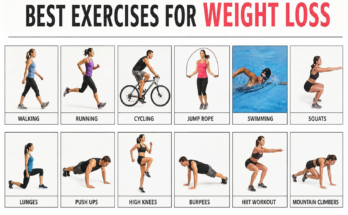
Examples include walking, jogging, cycling, swimming, dancing, jumping rope, and using cardio machines. You can choose an activity based on your fitness level and personal interests.
For beginners, walking can be an excellent starting point. Once walking becomes easier, you can increase the pace, add longer sessions, or include short periods of faster movement.
The best cardio exercise for weight loss is often the one you enjoy enough to perform regularly. Consistency matters more than choosing the most difficult workout.
High Intensity Exercise Can Save Time
Some people prefer shorter workouts that involve periods of higher effort. High intensity workouts can increase heart rate and provide a challenging exercise session in less time.
However, high intensity exercise is not suitable for everyone, especially beginners. Starting with manageable workouts allows your body to adapt gradually. You can increase intensity as your fitness improves.
It is also important to allow your body enough time to recover. Exercise should challenge your body without making every workout extremely difficult.
Exercise Can Improve Daily Activity
Weight loss is not only about formal workouts. Everyday movement also contributes to your total energy expenditure. Walking around the house, taking the stairs, doing household activities, gardening, shopping, or walking during breaks can all add movement to your day.
Increasing daily activity can be particularly helpful for people who spend many hours sitting. Small changes can add up over time.
For example, you can take a short walk after meals, stand up regularly during work, walk while talking on the phone, or choose stairs when practical. These simple habits can make your lifestyle more active without requiring a separate gym session.
Exercise Can Help Control Stress
Stress can affect eating habits, sleep, motivation, and daily routines. Some people may eat more when they feel stressed, particularly foods that are high in calories, sugar, or fat.
Exercise can be a healthy way to manage everyday stress. Physical activity may help improve mood and create a sense of relaxation after a workout. When people feel better mentally, they may also find it easier to maintain healthy habits.
Activities such as walking, cycling, yoga, stretching, and recreational sports can provide both physical and mental benefits.
Exercise May Improve Sleep
Good sleep is an important part of a healthy lifestyle. Poor sleep can affect energy levels, mood, appetite, and motivation to exercise.
Regular physical activity can support better sleep for many people. When you exercise consistently, you may find it easier to establish a healthy daily routine.
However, very intense exercise close to bedtime may not feel comfortable for everyone. Finding a workout schedule that works with your personal routine can help you stay consistent without affecting your ability to relax at night.
Exercise Makes Weight Management Easier
Losing weight is only one part of the process. Maintaining a healthy weight can be just as important. Regular exercise can help people continue using energy and maintaining muscle after reaching their weight loss goals.
A sustainable exercise routine is usually better than a temporary program that is extremely difficult to follow. Once exercise becomes part of your normal lifestyle, it becomes easier to continue being active.
The goal should not be to exercise intensely for a few weeks and then stop. Instead, focus on building habits that you can maintain for months and years.
Exercise Works Best With Healthy Eating
Exercise is important for weight loss, but nutrition also matters. It can be difficult to create a calorie deficit through exercise alone if you regularly consume more calories than your body needs.
A balanced diet can provide the nutrients and energy needed to support physical activity. Foods such as vegetables, fruits, whole grains, lean protein sources, beans, nuts, and healthy fats can be included in a balanced eating pattern.
Portion awareness is also useful. You do not need to completely avoid your favorite foods. A flexible approach can make healthy eating easier to maintain over time.
Consistency Is More Important Than Perfection
One of the biggest mistakes people make when trying to lose weight is expecting immediate results. Healthy weight loss usually takes time. Your body weight can change from day to day because of water, food intake, digestion, and other factors.
Instead of focusing only on the number on the scale, pay attention to other signs of progress. You may notice that you have more energy, better endurance, improved strength, better mood, or greater confidence.
If you miss a workout, simply return to your routine when you can. One missed session does not erase your progress.
How to Start Exercising for Weight Loss
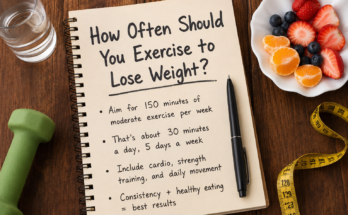
If you are new to exercise, start slowly. Begin with activities that feel comfortable and manageable. A short daily walk can be a good first step.
As your fitness improves, you can add strength exercises two or more times per week and include different forms of cardio. Creating variety can keep workouts interesting and allow you to work different areas of fitness.
Always pay attention to how your body feels. If you experience unusual pain, dizziness, or other concerning symptoms, stop exercising and seek appropriate medical advice.
Final Thoughts
Exercise helps with weight loss by increasing calorie use, supporting muscle, improving fitness, encouraging daily movement, and helping create healthier habits. The most effective approach is not necessarily the hardest workout. It is the routine you can follow consistently.
Walking, strength training, cycling, swimming, home workouts, and other physical activities can all contribute to a healthier lifestyle. When regular exercise is combined with balanced nutrition, adequate sleep, stress management, and realistic goals, it can become a powerful part of a long term weight management plan.
Remember that progress takes time. Start with small changes, remain consistent, and gradually challenge yourself as your fitness improves. With patience and regular effort, exercise can help you move toward a healthier and more active life.