
Staying motivated to exercise every day can be difficult, especially when life becomes busy and you have work, family responsibilities, studies, or other important tasks to manage. Many people start exercising with great energy but slowly lose motivation after a few days or weeks. The good news is that you do not need strong motivation every day to build a regular exercise habit. You need simple strategies that make exercise easier, enjoyable, and realistic.
Regular exercise can improve physical fitness, support a healthy weight, increase energy, improve mood, and help you feel more confident. The key is to create a routine that fits your lifestyle instead of forcing yourself to follow a difficult workout plan. Here are some practical ways to stay motivated to exercise every day.
Set Clear and Realistic Exercise Goals
One of the best ways to stay motivated to exercise is to set clear goals. A general goal such as “I want to get fit” can be difficult to follow because it does not tell you what you need to do.
Instead, create a specific goal. You might decide to walk for thirty minutes five days a week, complete three home workouts each week, or improve your strength over the next few months.
Your goals should also be realistic. If you are a beginner, do not expect yourself to exercise for two hours every day. Starting with twenty or thirty minutes can be much easier. When your goal feels achievable, you are more likely to continue.
Start With Small Workouts
You do not always need a long workout to make progress. One of the biggest mistakes people make is believing that exercise only counts when they spend a lot of time doing it.
A short workout is better than doing nothing. If you are busy, try a ten minute walk, a few bodyweight exercises, stretching, or a quick home workout.
Small workouts can also help you build consistency. Once exercise becomes part of your daily routine, you can gradually increase the duration and intensity.
Create a Daily Exercise Routine
Motivation becomes easier when exercise becomes a habit. Try to exercise at the same time each day so your body and mind become familiar with the routine.
Some people prefer exercising in the morning because it helps them start the day with energy. Others enjoy working out in the evening after finishing their responsibilities.
Choose a time that works best for your schedule. If you repeatedly wait until you “feel motivated,” you may skip exercise. A fixed routine removes some of the daily decision making.
Choose Exercises You Enjoy
Exercise should not feel like punishment. If you hate running, you do not have to run every day. There are many different forms of physical activity, including walking, cycling, swimming, dancing, strength training, yoga, stretching, and home workouts.
Experiment with different activities and find something you genuinely enjoy. When exercise is fun, you are more likely to look forward to it.
You can also change your workouts regularly to prevent boredom. For example, walk one day, do strength exercises the next day, and try stretching or cycling another day.
Track Your Exercise Progress
Tracking your progress can provide a powerful source of motivation. You can keep a simple exercise journal where you record your workouts, walking time, exercises completed, or how you felt after exercising.
Seeing your progress over time can remind you that your efforts are producing results. You may notice that you can walk longer, perform more repetitions, lift more weight, or recover faster than before.
Do not focus only on physical appearance. Improvements in energy, strength, flexibility, stamina, sleep, and mood are also important signs of progress.

Make Exercise Convenient
The easier exercise is to start, the more likely you are to do it. Try to remove unnecessary barriers from your workout routine.
If you exercise at home, keep your workout clothes and shoes ready. If you walk outside, prepare your shoes before your planned exercise time. If you use a gym, choose one that is convenient to reach.
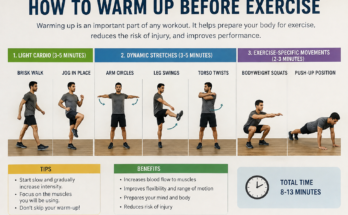
You can also keep a simple list of exercises that require little or no equipment. Squats, lunges, push ups, planks, jumping jacks, and bodyweight movements can be performed at home.
Find an Exercise Partner
Working out with another person can make exercise more enjoyable and help you stay accountable. A friend, family member, or workout partner can encourage you when you do not feel like exercising.
You can walk together, join a fitness class, or follow a home workout at the same time. Knowing that someone is expecting you can make it easier to stay committed.
An exercise partner can also make workouts more social. Instead of thinking only about exercise, you can enjoy spending time together while becoming more active.
Use Music to Stay Motivated
Music can make workouts feel more enjoyable. Create a playlist with songs that make you feel energetic and positive.
Listening to your favorite music while walking, cycling, or exercising at home can help reduce boredom and make the workout seem easier.
If music is not your preference, you can listen to podcasts or educational audio while doing activities such as walking.
Reward Yourself for Consistency
Rewards can help reinforce a positive exercise habit. Your reward does not have to involve food or anything expensive.
After completing a week of regular workouts, you might enjoy a relaxing activity, watch a favorite movie, buy a new workout shirt, or spend some quiet time doing something you enjoy.
The goal is to recognize your effort and consistency. Remember that completing your workout is already an achievement.
Do Not Depend Only on Motivation
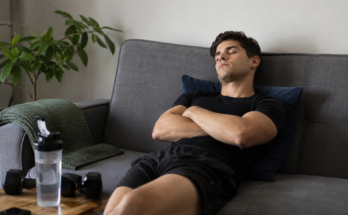
Motivation naturally changes from day to day. Some mornings you may feel excited about exercise, while other days you may feel tired or distracted.
This is normal. Instead of depending entirely on motivation, focus on discipline and routine.
Tell yourself that you only need to start. Put on your workout clothes and begin with five minutes. Once you start moving, you may feel more willing to continue.
Even when you do not feel highly motivated, completing a small amount of exercise can help protect your habit.
Avoid Comparing Yourself With Others
Comparing your fitness journey with someone else’s can reduce motivation. People have different bodies, schedules, fitness levels, experience, and goals.
Social media can make this problem worse because you often see other people’s best moments and most impressive results.
Focus on your own progress. Your goal should be to become healthier and stronger compared with your past self. Every workout is an opportunity to improve.
Prepare for Difficult Days
There will be days when you are tired, busy, or simply not interested in exercising. Instead of seeing these days as failures, prepare for them in advance.
Have an easier workout option available. If you planned a thirty minute workout but feel exhausted, take a short walk or do gentle stretching instead.
The goal is not to perform perfectly every day. The goal is to maintain a sustainable relationship with physical activity.
Focus on How Exercise Makes You Feel
Physical changes can take time, so focusing only on weight loss or appearance may cause frustration. Pay attention to how exercise makes you feel.
You may feel more energetic after a workout. Regular movement can also help you feel stronger, more active, and more confident.
When you connect exercise with positive feelings, it becomes easier to see it as something beneficial rather than something you have to force yourself to do.
Build a Healthy Lifestyle Around Exercise
Exercise works best when it becomes part of a healthy lifestyle. Getting enough sleep, eating nutritious foods, drinking enough water, and allowing your body to recover can support your exercise routine.
Rest is also important. You do not need intense workouts every single day. Light walking, stretching, or mobility exercises can be useful on easier days.
A balanced approach can help prevent exhaustion and make long term exercise more sustainable.
Celebrate Small Achievements
Do not wait until you reach a major fitness goal before celebrating your progress. Small achievements matter.
Completing your first week of regular exercise, walking farther than before, performing an exercise with better form, or simply choosing to exercise instead of staying inactive are all positive steps.
Celebrating small improvements can build confidence and encourage you to keep going.
Conclusion
Learning how to stay motivated to exercise every day is not about forcing yourself to work hard all the time. It is about creating habits that make physical activity easier and more enjoyable.
Set realistic goals, start with small workouts, choose activities you enjoy, create a routine, track your progress, and find ways to make exercise convenient. Remember that motivation will naturally rise and fall. What matters most is continuing to move forward even when motivation is low.
With patience and consistency, exercise can become a normal part of your daily life. You do not have to be perfect. You simply need to keep showing up, take small steps, and give yourself time to improve. Over time, these small efforts can lead to better fitness, more energy, greater confidence, and a healthier lifestyle.