Stamina is an important part of physical fitness that helps you stay active for longer periods without feeling extremely tired. Whether you want to walk for longer, run faster, perform better during sports, or simply have more energy throughout the day, improving stamina through exercise can make a big difference. The good news is that you do not need an advanced workout plan to build better stamina. With regular exercise, proper recovery, and a consistent routine, you can gradually improve your endurance and physical performance.
In this article, you will learn how to improve stamina through exercise, which exercises are most effective, how often you should train, and what simple habits can help you achieve better results.
What Is Stamina?
Stamina refers to your body’s ability to continue physical activity for an extended period without becoming overly tired. Good stamina allows your muscles, heart, and lungs to work efficiently during exercise.
There are different types of stamina. Cardiovascular stamina helps your heart and lungs support activities such as walking, jogging, swimming, and cycling. Muscular stamina allows your muscles to perform repeated movements without becoming exhausted quickly.
Improving both types of stamina can help you become more active and make everyday physical activities easier.
Start With Regular Walking
Walking is one of the easiest exercises for improving stamina. It is suitable for beginners because it puts less stress on the joints while still helping your cardiovascular system become stronger.
Start with a comfortable walk for 20 to 30 minutes several times a week. As your fitness improves, gradually increase your walking time or pace. You can also include short periods of faster walking during your regular session.
For example, walk comfortably for five minutes, then walk at a faster pace for two minutes. Repeat this pattern throughout your workout. This simple method can gradually improve cardiovascular endurance.
Add Jogging to Your Routine
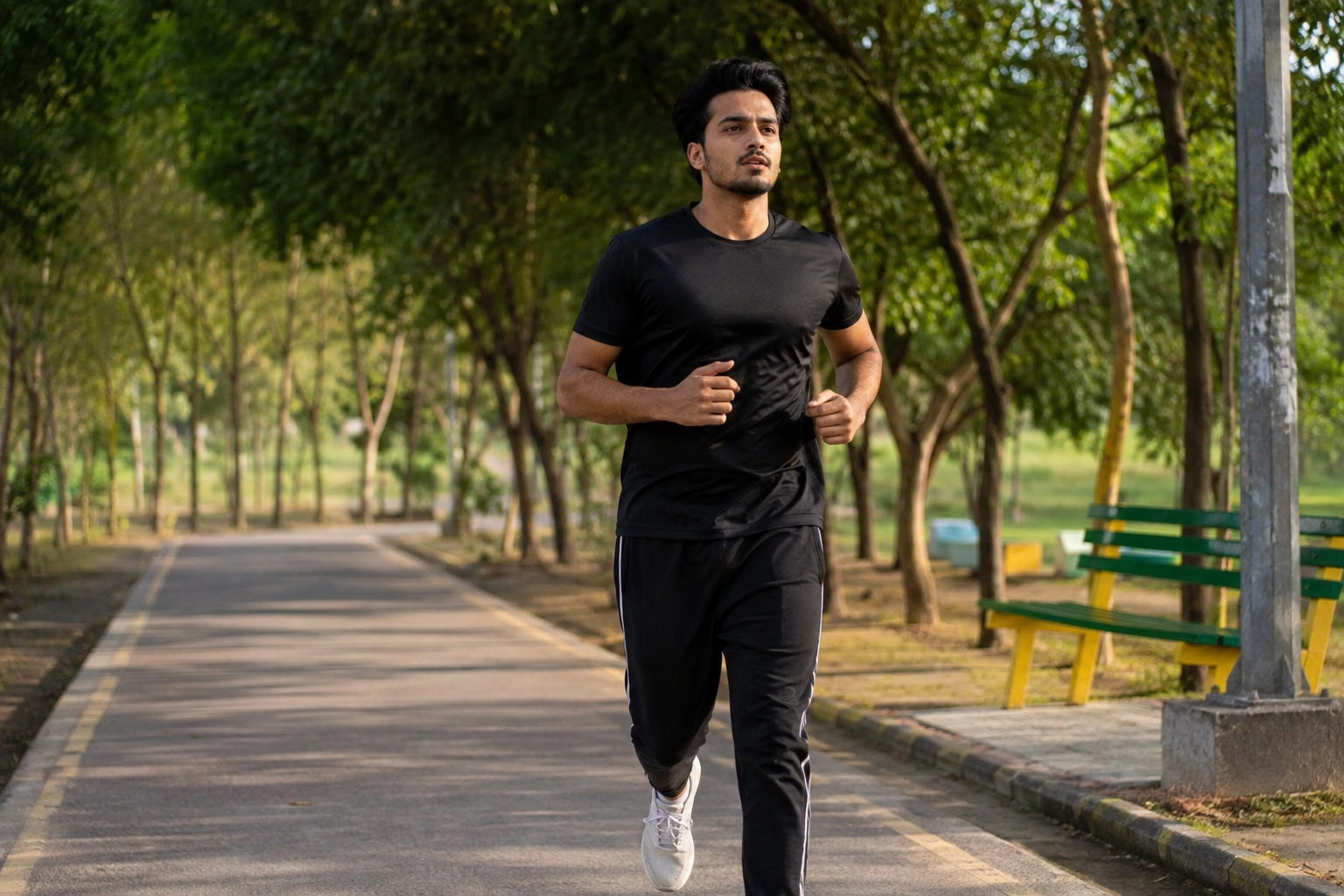
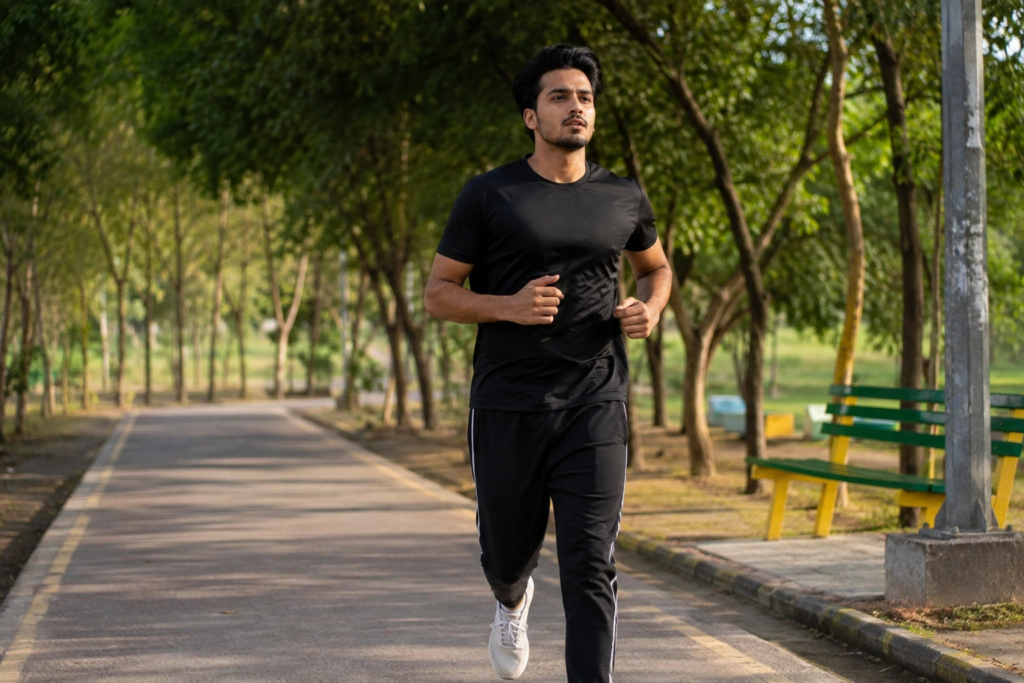
Jogging is another effective way to improve stamina through exercise. It increases your heart rate and challenges your cardiovascular system.
If you are new to jogging, do not try to run continuously for a long time. Start with a combination of walking and jogging. You could walk for three minutes and jog for one minute, then repeat the pattern.
As your stamina improves, slowly increase the jogging periods while reducing the walking periods. Over time, you may be able to jog continuously for 20 to 30 minutes or longer.
The key is consistency rather than trying to progress too quickly.
Try Cycling for Better Endurance
Cycling is a useful exercise for building stamina while also strengthening the legs. You can cycle outdoors or use a stationary bicycle at home or in a gym.
Begin with 20 to 30 minutes at a comfortable pace. Once your body becomes accustomed to the activity, increase the duration or add short periods of faster cycling.
Cycling can be especially helpful for people who want a low impact cardiovascular workout. It can improve endurance without putting as much stress on the joints as running.
Include Swimming in Your Workout
Swimming works many major muscle groups while challenging your heart and lungs. Because the water supports your body, swimming can provide an effective full body workout with less impact on the joints.
Start with short swimming sessions and take breaks whenever necessary. Focus on maintaining a steady pace instead of swimming as fast as possible.
As your stamina improves, increase the number of laps or the total time spent in the pool. Regular swimming can help improve cardiovascular endurance and muscular stamina at the same time.
Use Interval Training
Interval training is one of the most effective ways to improve stamina. It involves alternating between periods of higher intensity and periods of lower intensity.
For example, you can walk for two minutes and jog for one minute. You can also cycle slowly for three minutes followed by one minute of faster cycling.
Interval training allows you to challenge your body without maintaining a high intensity for the entire workout. Beginners should start with short intervals and gradually increase the challenging periods as their fitness improves.
Perform Strength Training
Cardiovascular exercise is important for stamina, but strength training should not be ignored. Stronger muscles can perform physical tasks more efficiently and may help you stay active for longer.
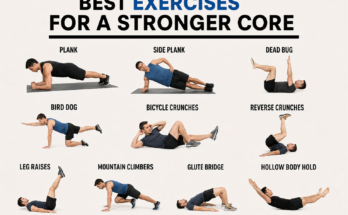
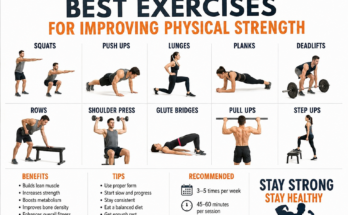
Exercises such as squats, lunges, push ups, planks, and bodyweight rows can help improve muscular endurance. Start with a manageable number of repetitions and focus on maintaining good form.
You can perform strength training two or three times per week while including walking, jogging, cycling, or another cardiovascular activity on other days.
Increase Exercise Duration Gradually
One of the biggest mistakes people make when trying to improve stamina is increasing exercise too quickly. Your body needs time to adapt to new physical demands.
If you currently exercise for 20 minutes, do not suddenly start exercising for one hour every day. Instead, increase your workout duration gradually.
For example, you might add five minutes to your workout after your body becomes comfortable with your current routine. Small increases can lead to significant improvements over several weeks.
Maintain a Consistent Exercise Schedule
Consistency is more important than occasional intense workouts. Exercising regularly gives your body repeated opportunities to adapt and become more efficient.
Try to create a weekly exercise routine that you can realistically follow. For many beginners, exercising three to five days per week can be a practical starting point.
Your routine can include different activities to keep exercise interesting. You might walk on one day, cycle the next day, perform strength exercises another day, and take a lighter recovery session afterward.
Pay Attention to Your Breathing
Proper breathing can make exercise feel more comfortable. During cardiovascular activities, try to maintain a steady breathing pattern instead of holding your breath.
As your fitness improves, your body becomes better at using oxygen during physical activity. This can make it easier to maintain exercise for longer periods.
If you become extremely breathless, slow down and allow your breathing to return to a comfortable level before continuing.
Give Your Body Enough Recovery
Rest is an important part of improving stamina. Your body needs time to recover after challenging workouts.
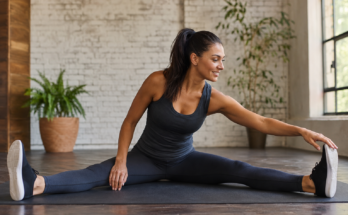
Make sure you include easier days in your exercise routine. Light walking, stretching, or gentle movement can be useful during recovery.
Getting enough sleep is also important. Poor sleep can make you feel tired and reduce your ability to perform well during exercise.
Stay Hydrated
Water plays an important role in physical performance. Losing too much fluid through sweating can contribute to tiredness and reduced exercise performance.
Drink water regularly throughout the day and pay particular attention to hydration before and after exercise. During longer or more intense workouts, you may need additional fluids depending on the temperature and how much you sweat.
Eat a Balanced Diet
Exercise alone is not enough to build good stamina. Your body needs proper nutrition to support physical activity.
Include a variety of foods such as fruits, vegetables, whole grains, protein rich foods, and healthy fats. Carbohydrates can provide energy for exercise, while protein supports muscle recovery.
Avoid relying heavily on highly processed foods and sugary drinks. A balanced diet can help provide steady energy for your workouts and daily activities.
Track Your Progress
Tracking your progress can help you stay motivated. You can record how long you exercise, how far you walk or run, how many repetitions you complete, or how you feel after each workout.
For example, if you start by walking for 20 minutes and eventually reach 40 minutes at a similar pace, that is a clear sign that your stamina has improved.
Progress does not always mean exercising for longer. You may also notice that you recover faster, breathe more comfortably, or feel less tired during everyday activities.
Avoid Overtraining
More exercise does not always mean faster results. Exercising too much without enough recovery can leave you exhausted and may increase the risk of injury.
Pay attention to how your body feels. Persistent pain, unusual fatigue, dizziness, or significant changes in performance are signs that you should reduce the intensity and consider getting professional advice.
The goal is to challenge your body while still allowing enough time for recovery.
Create a Simple Weekly Stamina Workout Plan
A simple exercise schedule can make improving stamina easier.
On Monday, you could complete 30 minutes of brisk walking.
On Tuesday, perform a 20 to 30 minute strength workout.
On Wednesday, take a light recovery walk or rest.
On Thursday, complete 30 minutes of cycling or jogging and walking intervals.
On Friday, perform another strength workout.
On Saturday, enjoy a longer walk, bike ride, swim, or another activity you enjoy.
On Sunday, take a rest or recovery day.
You can adjust this routine according to your current fitness level, schedule, and personal goals.
Final Thoughts
Learning how to improve stamina through exercise requires patience, consistency, and gradual progress. Walking, jogging, cycling, swimming, interval training, and strength exercises can all contribute to better endurance. The most important thing is to choose activities that you enjoy and can continue doing regularly.
Start with a manageable level of exercise and slowly increase the duration or intensity as your body becomes stronger. Combine regular workouts with proper hydration, balanced nutrition, quality sleep, and adequate recovery.
With consistent effort, you can improve your cardiovascular endurance, muscular stamina, energy levels, and overall physical fitness. The goal is not to become fit overnight. The goal is to build healthy exercise habits that continue to make your body stronger and more capable over time.