Starting a regular exercise routine can feel difficult when you are new to physical activity. Many beginners make the mistake of doing too much exercise too quickly, which can lead to tiredness, muscle soreness, or loss of motivation. The best approach is to start slowly, learn the basics, and build healthy habits over time.
Exercise is important for maintaining a healthy body and an active lifestyle. Regular physical activity can support heart health, improve strength, increase energy, support better sleep, and help maintain a healthy body weight. Beginners do not need complicated workouts or expensive equipment. A simple and consistent exercise routine can provide many benefits.
If you are looking for the best exercise tips for beginners, this guide will help you understand how to start exercising safely and effectively.
Start Exercise Slowly
One of the most important exercise tips for beginners is to start slowly. If your body is not used to regular physical activity, suddenly doing intense workouts can make you extremely tired and uncomfortable.
Begin with simple activities such as walking, light jogging, stretching, or basic bodyweight exercises. Give your body enough time to adjust to your new routine. As your fitness level improves, you can gradually increase the duration and intensity of your workouts.
Starting slowly also makes exercise easier to maintain. Your main goal in the beginning should be creating a consistent habit rather than trying to achieve quick results.
Set Realistic Fitness Goals
Setting realistic fitness goals can make your exercise journey more successful. Beginners should avoid setting goals that are too difficult or unrealistic.
Instead of saying that you will exercise for two hours every day, start with a smaller goal. You might decide to exercise for twenty to thirty minutes several days a week. Once this becomes comfortable, you can gradually increase your workout time.
Your fitness goals can include improving stamina, becoming stronger, increasing flexibility, maintaining a healthy weight, or simply becoming more active. Clear goals can help you stay motivated and recognize your progress.
Choose Exercises You Enjoy
Exercise does not have to be boring. One of the best ways to stay active is to choose physical activities that you actually enjoy.
Some people enjoy walking, while others prefer cycling, swimming, dancing, running, or home workouts. You can also try different exercises until you find activities that suit your interests.
When you enjoy your workout, you are more likely to continue doing it regularly. Exercise should become a positive part of your lifestyle rather than something you feel forced to do.
Always Warm Up Before Exercise
A proper warm up is an important part of a beginner workout. Warming up prepares your body for physical activity by gradually increasing your heart rate and helping your muscles become ready for movement.
A warm up can include five to ten minutes of easy walking, gentle movements, or light dynamic stretches. Avoid starting an intense workout immediately after sitting or resting for a long time.
A good warm up can also help you feel more comfortable during exercise. Take a few minutes to prepare your body before beginning your main workout.
Learn Proper Exercise Form
Using proper exercise form is extremely important for beginners. Performing an exercise incorrectly can reduce its effectiveness and may increase the risk of injury.
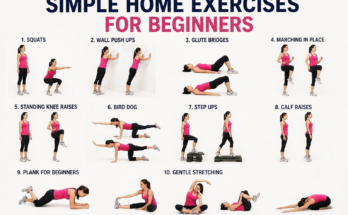
For exercises such as squats, lunges, push ups, and planks, focus on controlled movements and proper body position. Do not worry about lifting heavy weights or doing many repetitions when you are still learning the basics.
If you are unsure about how to perform an exercise, consider learning from a qualified fitness professional or using reliable educational resources. Good form should always be more important than speed or the number of repetitions.
Include Strength Training
Strength training is useful for beginners because it helps build stronger muscles and supports overall physical fitness. You do not need a gym to begin strength training.
Simple bodyweight exercises can be a good starting point. Squats, wall push ups, lunges, glute bridges, and planks can help you develop basic strength.
As you become more comfortable, you can consider adding resistance bands, dumbbells, or other equipment. Increase resistance gradually instead of trying to lift heavy weights immediately.
Do Regular Cardio Exercise
Cardiovascular exercise is another important part of a balanced fitness routine. Cardio activities increase your heart rate and can help improve stamina and endurance.
Beginners can start with simple activities such as brisk walking, cycling, swimming, dancing, or light jogging. You can begin with short sessions and slowly increase the amount of time you spend exercising.
Regular cardio can make everyday activities feel easier and help you become more comfortable with physical activity.
Do Not Forget Flexibility and Mobility
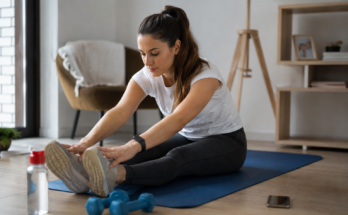
Flexibility and mobility exercises can help you move more comfortably. Beginners should include gentle stretching and mobility movements as part of their overall fitness routine.
Stretching can be especially useful after exercise when your muscles are warm. Move slowly and avoid forcing your body into uncomfortable positions.
Improving flexibility takes time, so do not expect major changes after only a few workouts. Consistent practice is more important than trying to stretch as far as possible.
Give Your Body Time to Rest
Rest is an important part of exercise that beginners sometimes ignore. Your body needs time to recover after physical activity.
You do not need to exercise intensely every day. Rest days can help your muscles recover and allow you to return to your workouts with more energy.
If you experience unusual pain, extreme tiredness, dizziness, or other concerning symptoms during exercise, stop and consider speaking with a healthcare professional.
Stay Hydrated
Drinking enough water is another simple exercise tip for beginners. Your body needs fluids to function properly, especially when you are physically active.
Drink water throughout the day and pay attention to your thirst. During longer or more demanding workouts, your fluid needs may increase.
Keeping a water bottle nearby can make it easier to remember to drink regularly.
Eat a Balanced Diet
Exercise works best when combined with healthy eating habits. Your body needs nutritious food to support energy, recovery, and overall health.
Include a variety of foods such as vegetables, fruits, whole grains, protein sources, and healthy fats. Avoid relying heavily on highly processed foods and sugary drinks.
You do not need a complicated diet to become healthier. Focus on balanced meals and sustainable eating habits that you can follow for a long time.
Create a Consistent Workout Schedule
Consistency is one of the most important factors for beginners. Exercising occasionally may feel good, but creating a regular routine can make physical activity a normal part of your lifestyle.
Choose workout times that fit your daily schedule. Some people prefer exercising in the morning, while others feel more energetic in the afternoon or evening.
Even when you have limited time, a short workout is better than doing nothing. The key is to keep moving and gradually build a routine that works for you.
Listen to Your Body
Beginners should learn to recognize the difference between normal exercise effort and warning signs from the body. Feeling your muscles work during exercise is normal, but sharp or unusual pain should not be ignored.
If an exercise causes pain, stop and reassess your technique. You may need to reduce the intensity or choose a different movement.
Listening to your body can help you exercise more safely and make your fitness routine more sustainable.
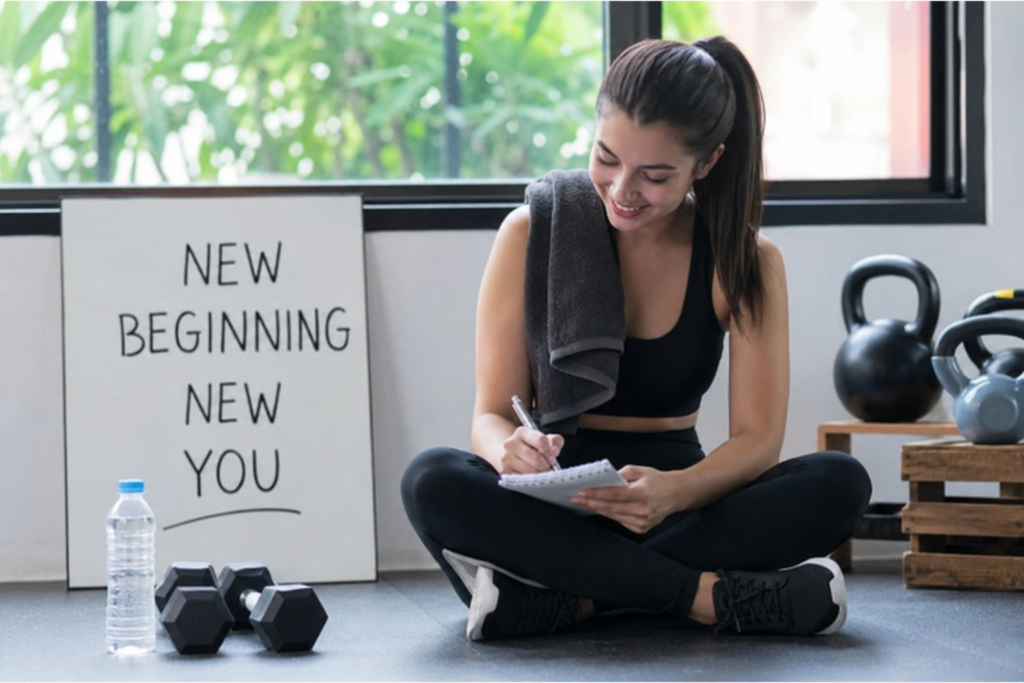
Track Your Progress
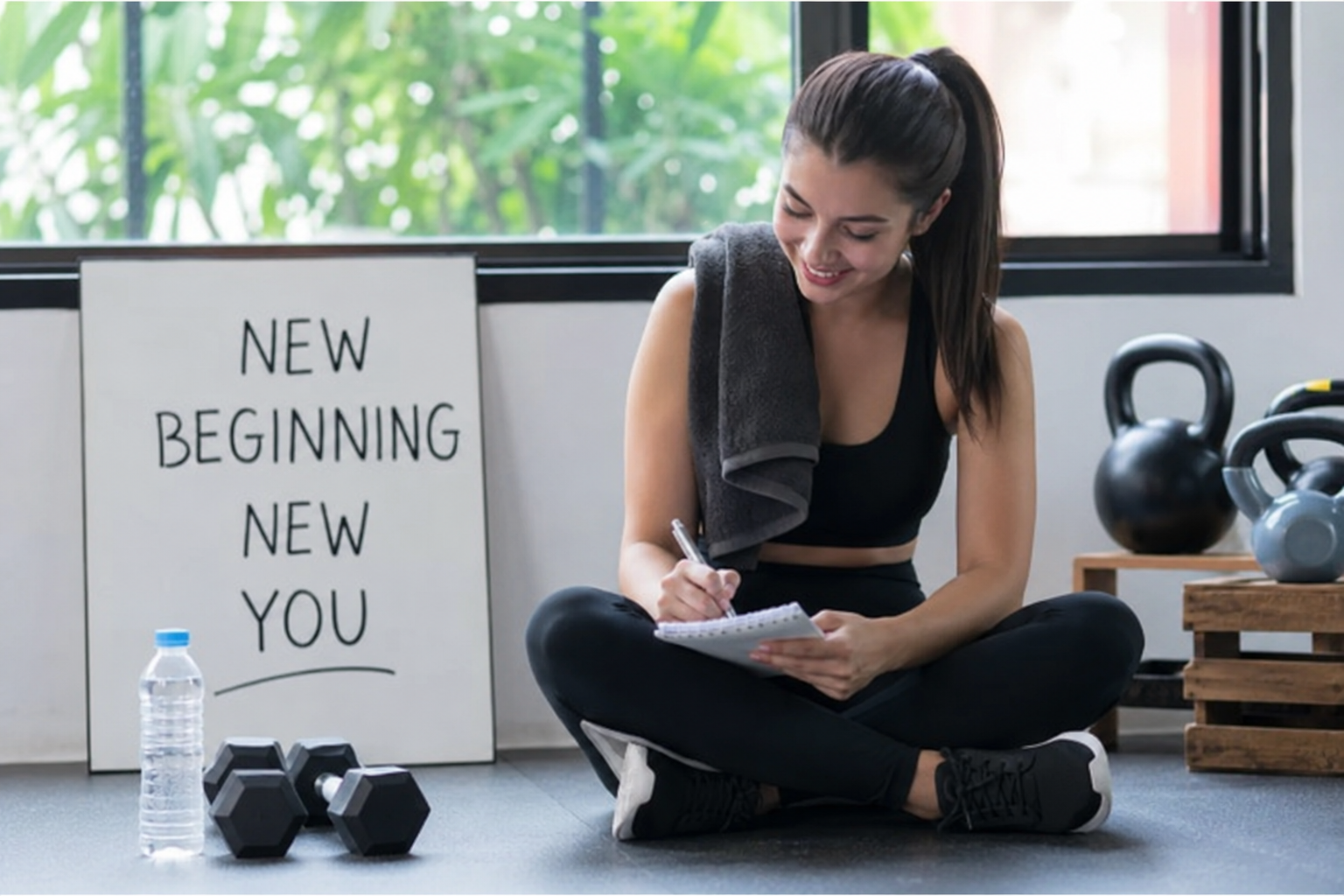
Tracking your progress can help you stay motivated. You can record your workout duration, walking distance, number of repetitions, or how you feel after exercise.
Progress is not only about losing weight or becoming stronger. You may notice that you have more energy, better stamina, improved flexibility, or greater confidence.
Small improvements can become meaningful results when you continue exercising consistently.
Stay Patient With Your Results
Fitness does not change overnight. Beginners should be patient and understand that progress takes time.
Some changes may happen quickly, while others may take weeks or months. Avoid comparing your progress with other people because everyone has a different starting point.
Focus on improving yourself and building healthy habits. Consistent effort is more valuable than short periods of extreme exercise.
Final Thoughts
Starting an exercise routine does not have to be complicated. The best exercise tips for beginners are simple: start slowly, set realistic goals, choose enjoyable activities, learn proper form, include strength and cardio exercises, stay hydrated, eat balanced meals, get enough rest, and remain consistent.
Your first goal should not be perfection. Your goal should be creating a healthy routine that you can continue for the long term. With patience and regular effort, exercise can become a natural and enjoyable part of your everyday life.
Remember that every workout is a step toward becoming more active and healthier. Start with what you can manage today, listen to your body, and gradually build a stronger and more confident version of yourself.