Creating an effective home workout routine is one of the easiest ways to make exercise a regular part of your daily life. You do not need an expensive gym membership, advanced equipment, or a large workout space to become more active. With a simple plan, a little motivation, and consistency, you can build a home workout routine that supports your fitness goals and fits easily into your lifestyle.
A good home workout routine should be simple, realistic, and enjoyable. Whether your goal is to lose weight, build strength, improve flexibility, increase fitness, or simply stay active, planning your workouts properly can help you make steady progress.
Understand Your Fitness Goals
The first step in creating an effective home workout routine is deciding what you want to achieve. Different goals require different types of exercises and training schedules.
If your goal is weight loss, you may want to include exercises that increase your heart rate, such as jumping jacks, high knees, jogging in place, and bodyweight circuits. If you want to build strength, focus more on exercises such as squats, push ups, lunges, planks, and glute bridges.
For better flexibility and mobility, include stretching and gentle movement exercises. If you simply want to improve your overall health, a combination of cardio, strength training, mobility exercises, and rest can create a balanced workout plan.
Having a clear goal makes it easier to choose the right exercises and stay motivated.
Choose a Suitable Workout Space
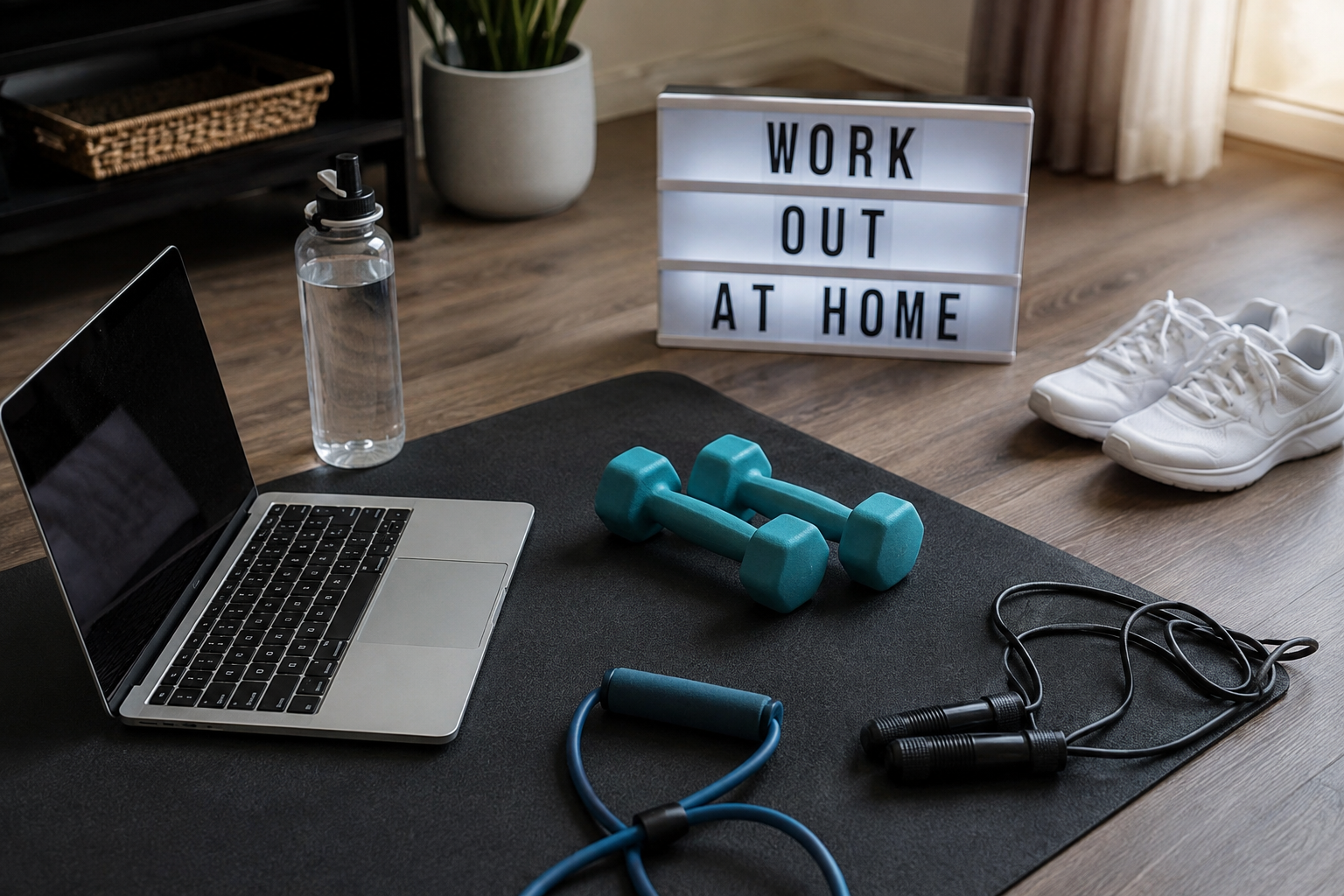
You do not need a large room to exercise at home. A small and comfortable space can be enough for most home workouts. Choose an area where you can move your arms and legs freely without hitting furniture or other objects.
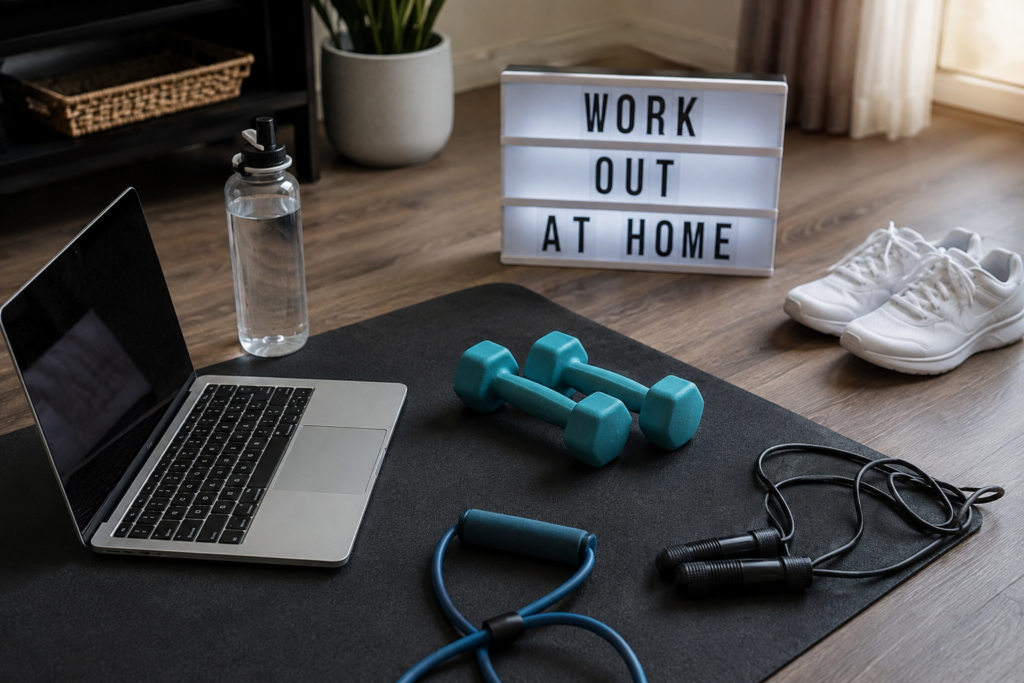
Keep your workout area clean and safe. If possible, use an exercise mat to make floor exercises more comfortable. Good lighting and fresh air can also make your workout experience better.
Try to keep your workout space ready before you begin. When everything is prepared, you are less likely to make excuses for skipping exercise.
Start With a Warm Up
A proper warm up is an important part of an effective home workout routine. It prepares your muscles and body for physical activity and can help you move more comfortably during exercise.
Spend about five to ten minutes warming up before your main workout. You can walk around your room, march in place, move your arms in circles, perform gentle bodyweight squats, or do light dynamic stretches.
The purpose of a warm up is to gradually increase your activity level. Avoid starting an intense workout suddenly, especially if you have been inactive for a long time.
Include Different Types of Exercises
A balanced home workout routine should include different types of physical activity. Doing the same exercise every day can become boring and may not provide complete fitness benefits.
Strength Exercises
Strength exercises help develop stronger muscles and improve physical performance. Many strength exercises can be performed using your body weight.
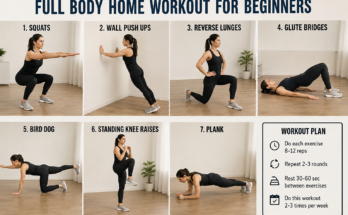
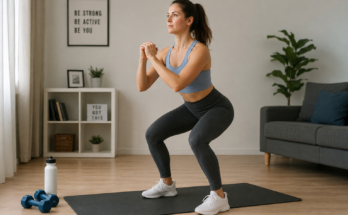
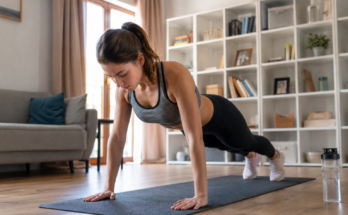
Squats are useful for training the legs and lower body. Push ups work the chest, shoulders, arms, and core. Lunges can improve lower body strength and balance. Glute bridges target the muscles around the hips and legs.
You can begin with a small number of repetitions and gradually increase them as you become stronger.
Cardio Exercises
Cardio exercises help increase your heart rate and improve cardiovascular fitness. You can perform many cardio exercises at home without equipment.
Walking around your home, jogging in place, jumping jacks, mountain climbers, and step ups are simple options. Choose exercises that match your fitness level and gradually increase the intensity over time.
Core Exercises
A strong core supports many daily movements and exercises. Planks, dead bugs, bird dogs, and controlled abdominal exercises can help strengthen your core.
Focus on proper technique rather than trying to perform a large number of repetitions. Slow and controlled movements are often more useful than rushing through exercises.
Flexibility and Mobility Exercises
Stretching and mobility exercises can help you move comfortably and maintain flexibility. Include gentle stretches for areas such as your legs, hips, shoulders, and back.
You can perform stretching after your workout when your muscles are warm. Avoid forcing a stretch or moving into painful positions.
Create a Weekly Workout Schedule
Once you know which exercises you want to perform, create a simple weekly workout schedule. A schedule gives your home workout routine structure and makes it easier to stay consistent.
For example, you could perform strength exercises on Monday, cardio on Tuesday, take a lighter activity day on Wednesday, perform strength training on Thursday, cardio on Friday, and enjoy a gentle mobility session on Saturday. Sunday could be a rest day.
Your schedule does not have to look exactly like this. Choose a plan that fits your daily responsibilities, energy levels, and fitness experience.
Beginners should avoid trying to exercise intensely every day. Rest and recovery are important parts of progress.
Keep Your Workouts Simple
One common mistake beginners make is creating complicated workout routines. You do not need twenty different exercises to have a productive session.
A simple home workout can include five to seven exercises. For example, you could perform squats, push ups, lunges, glute bridges, mountain climbers, and planks.
Perform each exercise with good technique and take short breaks when needed. As your fitness improves, you can increase repetitions, sets, or workout duration.
Simple routines are easier to remember and easier to repeat consistently.
Decide How Long to Exercise
The best workout duration depends on your fitness level and personal schedule. Beginners can start with around twenty to thirty minutes and gradually increase the duration as they become more comfortable.
If you have limited time, even a short workout can be useful. Instead of skipping exercise because you cannot complete a long session, perform a shorter workout and focus on consistency.
The most important thing is to choose a workout length that you can maintain regularly. A realistic twenty minute workout performed consistently can be better than planning an hour long workout that you rarely complete.
Focus on Proper Exercise Form
Proper form is an important part of every effective home workout routine. Performing an exercise incorrectly can reduce its benefits and may increase the chance of discomfort or injury.
Learn the basic technique of each exercise before increasing the number of repetitions. Keep your movements controlled and avoid rushing.
For exercises such as squats and lunges, pay attention to your posture and balance. During push ups, maintain a stable body position and use a range of motion that feels comfortable for your fitness level.
If an exercise causes sharp or unusual pain, stop and reassess your technique. Beginners should progress gradually rather than trying to copy advanced workouts immediately.
Increase the Challenge Gradually
Your body adapts as you continue exercising. After several weeks, a workout that once felt difficult may become easier. This is a good time to gradually increase the challenge.
You can add more repetitions, perform another set, increase workout time, reduce unnecessary rest periods, or choose a slightly more challenging variation of an exercise.
For example, you could start with regular squats and later try slower squats or split squats. You might begin with modified push ups and eventually progress toward standard push ups.
Small improvements over time can make your home workout routine more effective.
Give Your Body Time to Recover
Rest is just as important as exercise. Your muscles need time to recover after physical activity, especially after strength training.
Make sure your weekly workout routine includes lighter days and rest days. Sleep, hydration, and a balanced diet also support recovery and overall fitness.
If you feel unusually tired or sore, consider reducing the intensity of your workout. Listening to your body can help you maintain a healthy and sustainable exercise routine.
Stay Consistent With Your Routine
Consistency is one of the most important factors in achieving fitness results. You do not need to have a perfect workout every day. What matters is continuing to exercise regularly.
Choose a specific time of day for your workouts. Some people prefer exercising in the morning, while others find it easier to work out after work or in the evening.
Tracking your workouts can also help. Write down the exercises you complete, the number of repetitions, and how you feel after each session. Seeing your progress can provide extra motivation.
Avoid Common Home Workout Mistakes
There are several mistakes that can make home workouts less effective. One common mistake is exercising too hard too soon. Another is ignoring warm ups and recovery.
Some people also change their workout routine every few days because they expect immediate results. Fitness takes time, so give your routine an opportunity to work.
Avoid comparing your progress with other people. Everyone has a different fitness level and lifestyle. Focus on improving your own strength, endurance, and consistency.
Conclusion
Creating an effective home workout routine does not have to be complicated. Start by choosing clear fitness goals, prepare a safe workout space, and build a balanced routine that includes strength exercises, cardio, core training, and flexibility work.
Keep your workouts realistic and focus on proper exercise form. Start at a comfortable level and gradually increase the challenge as your fitness improves. Most importantly, make exercise a regular habit rather than something you only do when you feel motivated.
With consistency, patience, and a well planned home workout routine, you can improve your fitness and become stronger without needing a gym. The best routine is one that fits your lifestyle and that you can continue following for the long term.